

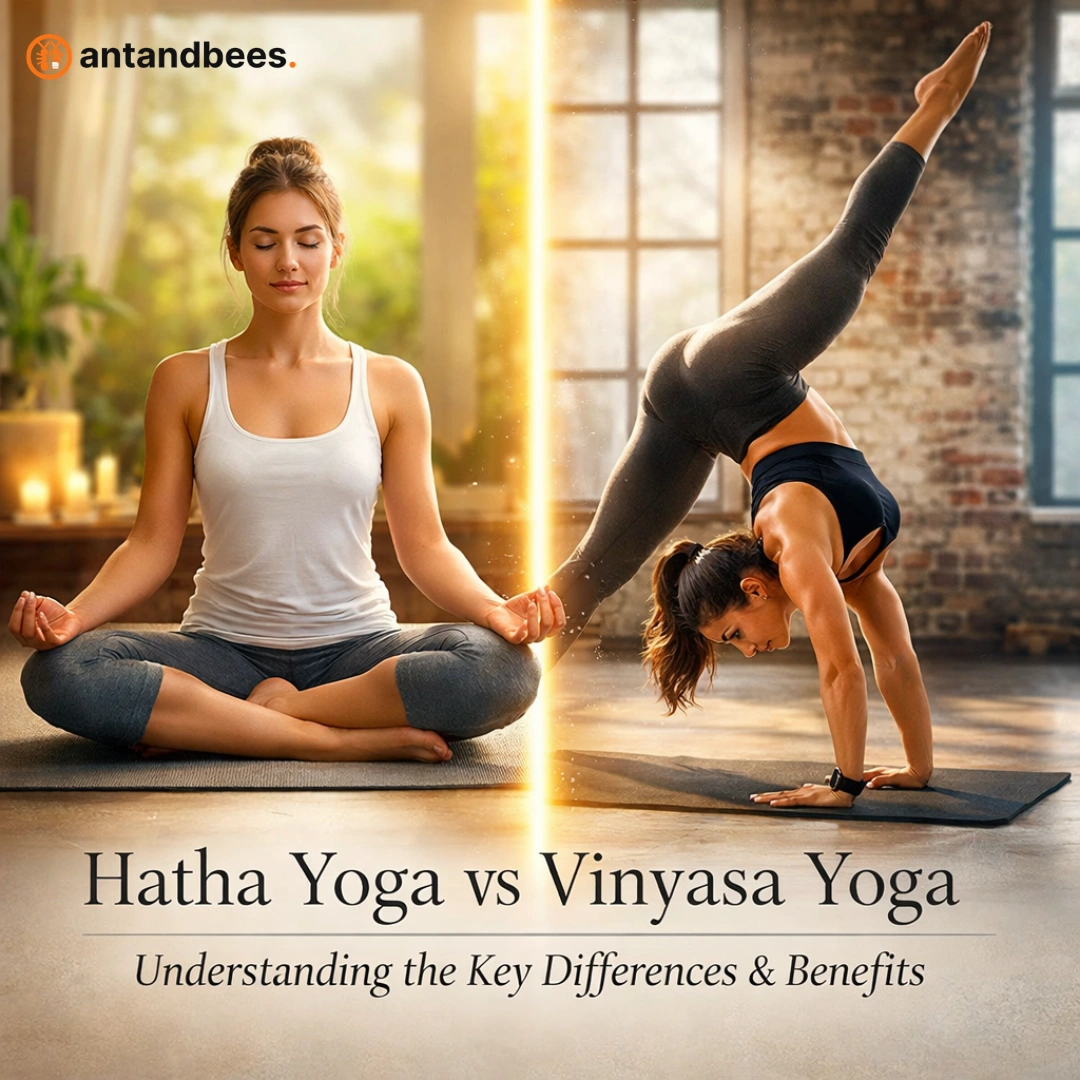
What Is Hatha Yoga?
Hatha Yoga is a traditional form of yoga that emphasizes physical postures, or asanas, along with breathing techniques known as pranayama. Originating from ancient Indian practices, Hatha Yoga focuses on creating balance between the mind and body. It is often characterized by its slower pace and a strong emphasis on alignment.
Benefits of Hatha Yoga
- Improved Flexibility: Regular practice can enhance flexibility through a variety of poses that stretch and lengthen the muscles.
- Enhanced Strength: Many Hatha poses require muscle engagement, which builds overall strength.
- Stress Relief: Incorporating mindful breathing techniques can help reduce stress and anxiety levels.
- Increased Focus: The meditative aspect of Hatha Yoga fosters better concentration and mental clarity.
What Is Vinyasa Yoga?
Vinyasa Yoga is a more dynamic and fluid style, often known for its emphasis on movement synchronized with breath. This style involves a series of poses that flow seamlessly into one another, enabling practitioners to transition smoothly from one posture to the next. Vinyasa is often described as a “flow” style of yoga, making it less rigid than Hatha.
Benefits of Vinyasa Yoga
- Cardiovascular Health: The continuous movement can raise heart rates, providing a form of aerobic exercise.
- Core Strengthening: The flow of poses often engages the core muscles, improving stability and balance.
- Increased Energy: The more vigorous practice can boost energy levels and improve mood.
- Mindfulness Through Movement: Practicing Vinyasa fosters a deep connection between breath and movement, enhancing mindfulness.
Hatha Yoga vs Vinyasa: Key Differences
1. Pace and Flow
- Hatha Yoga: Generally slower-paced, allowing practitioners to focus on alignment and holding poses for a longer duration.
- Vinyasa Yoga: Characterized by a faster pace with a continuous flow between poses, requiring more stamina and agility.
2. Structure of Classes
- Hatha Yoga: Classes typically include a variety of held postures and may incorporate more restorative poses aimed at relaxation.
- Vinyasa Yoga: Classes often follow a specific sequence that seamlessly links postures, commonly referred to as a “vinyasa sequence”.
3. Focus on Breath
- Hatha Yoga: Breath is important but is more about managing and controlling it during static poses.
- Vinyasa Yoga: Breath and movement are unified; the pace of breath dictates the pace of movement, creating a rhythmic flow.
4. Technical Emphasis
- Hatha Yoga: Greater attention is given to alignment and technique, making it ideal for beginners looking for foundational teachings.
- Vinyasa Yoga: While alignment is still important, the focus is often on fluid movement, which may be more challenging for newcomers.
Which Yoga Style Is Right for You?
Choosing between Hatha Yoga and Vinyasa depends on your individual goals and fitness levels. If you are looking for a gentler introduction to yoga with an emphasis on foundational practices, Hatha Yoga is an excellent choice. You can learn basic yoga poses that will strengthen your practice. On the other hand, if you seek a more dynamic and physically challenging workout that incorporates breath and movement, Vinyasa might be more suitable.
Factors to Consider
- Experience Level: Beginners may find Hatha easier to manage, while more experienced yogis may thrive in the energetic environment of Vinyasa.
- Fitness Goals: Hatha is great for flexibility and relaxation, while Vinyasa excels in building strength and cardiovascular fitness.
- Personal Preference: Consider whether you enjoy a slower, more contemplative practice or a more vigorous, flowing session.
Frequently Asked Questions
What Should I Expect in a Hatha Yoga Class?
Expect a slower pace, with each pose being held for several breaths. The instructor will often provide guidance on alignment and adjustments.
Is Vinyasa Yoga Suitable for Beginners?
Yes, but it’s recommended to have some familiarity with basic poses. You might consider starting with a few Hatha classes to build a strong foundation.
Can I Practice Both Styles?
Absolutely! Many practitioners enjoy alternating between Hatha and Vinyasa to reap the benefits of both styles.
How Does Yoga Help with Back Pain?
Certain yoga practices focus on gentle stretching and strengthening the back. Explore our article on yoga for back pain to learn effective techniques for alleviating discomfort.
Ultimately, whether you choose Hatha Yoga or Vinyasa, both provide profound benefits for physical and mental well-being. Explore these styles further to find what aligns best with your life and practice.
For deeper insights into beginner yoga techniques, visit our page on basic yoga poses and enhance your journey towards health and mindfulness.
Embarking on a morning yoga routine might also transform your day; check out our tips for a refreshing morning yoga routine.


Be First to Comment