

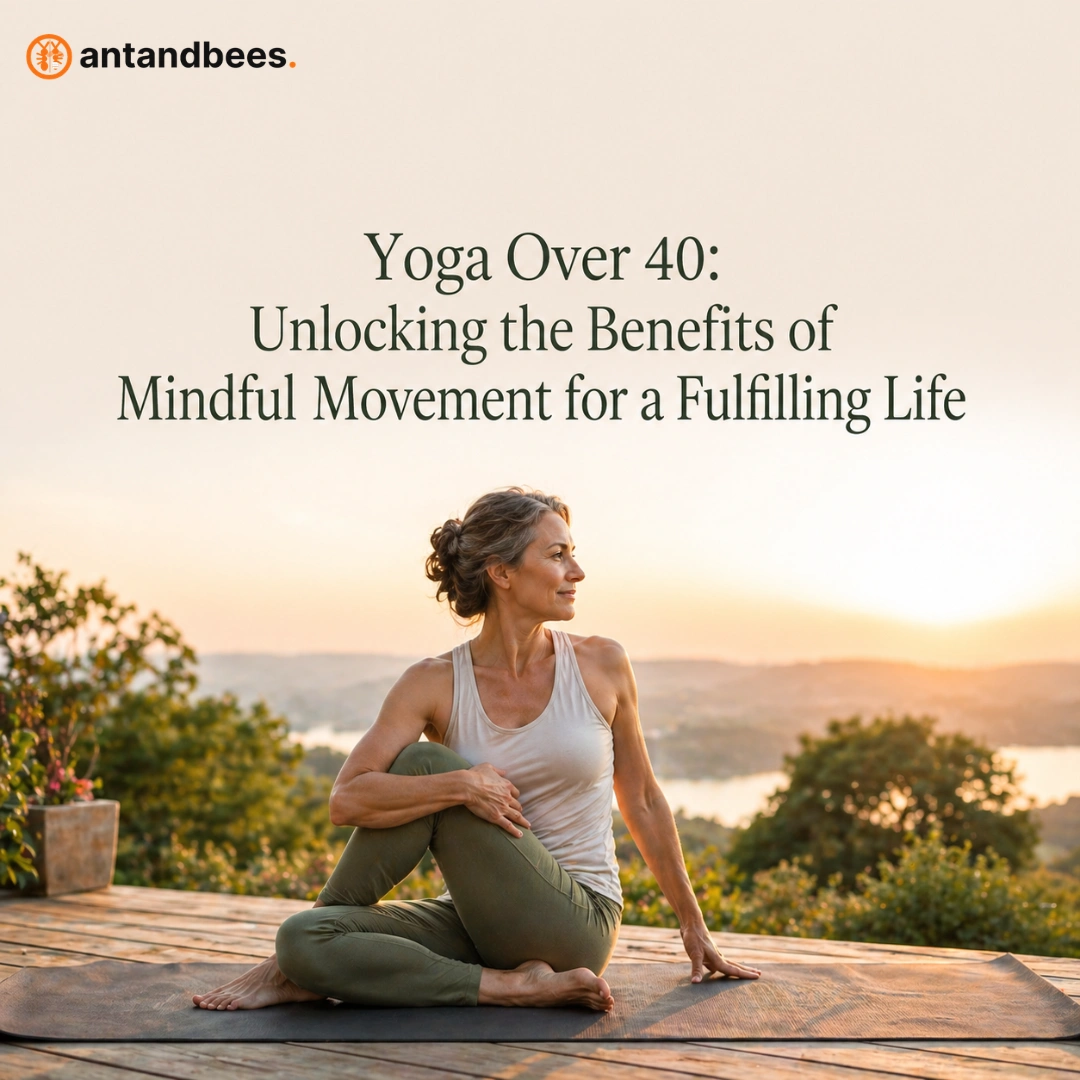
Turning 40 often changes the way the body responds to exercise. Work stress, long sitting hours, slower recovery, joint stiffness, and lower energy levels can make intense workouts feel harder than they used to. That’s one reason more adults are choosing yoga as a long-term fitness habit.
Yoga is not only about stretching or difficult poses. For many people over 40, it becomes a practical way to move better, reduce stress, improve flexibility, and stay active without putting extra pressure on the body.
The best part is that yoga can be adjusted for beginners, busy schedules, and different fitness levels.
Why Yoga Works Well After 40
As the body ages, muscles naturally tighten, balance may weaken, and recovery can take longer. A consistent yoga routine helps support mobility and strength while also giving the mind a break from daily stress.
Unlike high-impact workouts, yoga focuses on controlled movement and body awareness. That makes it easier on the knees, lower back, and joints while still helping the body stay active.
Many adults who begin yoga after 40 say they notice improvements in simple daily activities, including:
- bending down comfortably,
- climbing stairs with less stiffness,
- sleeping better,
- and feeling less tension in the shoulders and back.
Physical Benefits of Yoga Over 40
Improved Flexibility Without Intense Training
One of the biggest complaints after 40 is body stiffness. Sitting at a desk for long hours, driving, or lack of movement can tighten the hips, hamstrings, shoulders, and lower back.
Yoga gently stretches these areas and helps improve mobility over time.
Even practicing for 15 to 20 minutes a few times a week can help the body feel looser and more comfortable during everyday movement.
Areas that often improve with yoga:
- Hip flexibility
- Lower back mobility
- Shoulder movement
- Hamstring flexibility
- Posture and spinal alignment
Better Balance and Stability
Balance becomes increasingly important with age. Weak core muscles and poor posture can affect stability and coordination.
Yoga includes poses that strengthen smaller support muscles that are often ignored in traditional workouts. This can help improve balance and body control naturally.
Better balance also reduces the risk of falls and injuries later in life.
Simple standing poses, controlled movements, and breathing exercises all contribute to better stability over time.
Strength Without Heavy Pressure on the Joints
Many adults stop strength training because heavy workouts can feel uncomfortable on the knees, wrists, or lower back.
Yoga builds strength differently. Instead of lifting heavy weights, it uses bodyweight resistance and controlled holds.
Poses such as planks, chair pose, and warrior variations strengthen:
- the core,
- legs,
- glutes,
- shoulders,
- and back muscles.
This type of functional strength supports everyday movement and joint health.
Mental and Emotional Benefits of Yoga
Stress Relief for Busy Adults
Life after 40 usually comes with more responsibilities — careers, finances, parenting, caregiving, and everyday pressure. Stress builds up physically and mentally.
Yoga combines movement with breathing techniques, which helps calm the nervous system and reduce tension in the body.
Many people notice that after yoga sessions they:
- feel mentally lighter,
- think more clearly,
- and react to stress more calmly.
Better Sleep Quality
Poor sleep becomes more common with age, especially during stressful periods.
Gentle evening yoga can help relax tight muscles, slow racing thoughts, and prepare the body for rest.
Practices that include stretching and slow breathing may help improve sleep quality naturally without intense exercise late at night.
Best Types of Yoga for Adults Over 40
Not every yoga style is the same. Some classes are slow and relaxing, while others are physically demanding. Choosing the right style can make the experience much more enjoyable.
Hatha Yoga
Hatha yoga is one of the best starting points for beginners. Classes usually move at a slower pace and focus on basic poses, breathing, and posture alignment.
It’s ideal for adults who are completely new to yoga.
Restorative Yoga
Restorative yoga focuses on relaxation and recovery. Poses are supported with cushions, blankets, or yoga blocks so the body can fully relax.
This style works well for:
- stress management,
- recovery days,
- chronic tension,
- and people with mobility limitations.
Yin Yoga
Yin yoga involves holding stretches longer to target deeper connective tissues and joints.
It can help improve flexibility and mobility, especially for people who feel stiff in the hips, back, or legs.
Because it moves slowly, many adults also find it mentally calming.
Practical Tips for Starting Yoga After 40
Start Slowly
There is no need to force difficult poses in the beginning. Starting with beginner-friendly sessions allows the body to adapt safely.
Consistency matters far more than intensity.
Listen to Your Body
Mild stretching discomfort is normal, but sharp pain is not. Yoga should help the body feel better, not worse.
Using modifications or props is completely normal and often recommended.
Focus on Breathing
Breathing is a major part of yoga practice. Slow, controlled breathing helps reduce stress and improves focus during movement.
Many beginners are surprised by how much proper breathing changes the overall experience.
Make Yoga Part of Your Weekly Routine
Yoga does not have to take an hour every day.
Even:
- 10 minutes in the morning,
- a short evening stretch,
- or two to three classes per week
can create noticeable improvements over time.
Common Questions About Yoga Over 40
Is 40 Too Late to Start Yoga?
Not at all. Many people begin yoga in their 40s, 50s, or even later. Yoga can be adjusted to different fitness levels and body types.
The goal is not perfection. The goal is improving mobility, strength, and overall well-being gradually.
Can Yoga Help With Back Pain?
Gentle yoga may help reduce stiffness and improve posture, which can ease certain types of back discomfort.
However, people with serious injuries or chronic conditions should speak with a healthcare professional before starting any exercise program.
Will Yoga Help With Weight Management?
Yoga supports healthier habits by improving body awareness, reducing stress, and encouraging consistent movement.
Some active yoga styles also increase calorie burn and muscle engagement.
Is Morning or Evening Yoga Better?
Both can work well.
Morning yoga may help boost energy and loosen stiffness after sleep, while evening yoga can help the body relax and release stress after a busy day.
The best time is usually the one that fits consistently into your schedule.
Final Thoughts
Yoga after 40 is less about extreme flexibility and more about maintaining a healthy, active lifestyle in a sustainable way.
A regular yoga routine can help improve movement, support joint health, reduce stress, strengthen the body, and create better daily balance both physically and mentally.
Starting small and staying consistent often leads to the best long-term results.



Be First to Comment