

Understanding Workplace Stress Management
Workplace stress management refers to the strategies and practices organizations adopt to identify, measure, and reduce stress on employees. Stress can arise from various sources within the work environment, including workload, poor relationships with coworkers, lack of control, and inadequate resources. Addressing these stressors is not only beneficial for employee well-being but also enhances productivity and workplace morale.

The Importance of Managing Workplace Stress
Benefits of Effective Stress Management
- Improved Employee Health: Reducing stress lowers the risk of chronic health conditions such as heart disease and anxiety disorders.
- Increased Productivity: Employees who manage stress effectively are more focused and efficient in their tasks, leading to better outcomes.
- Enhanced Employee Retention: Companies prioritizing stress management experience lower turnover rates as employees feel valued and supported.
- Better Workplace Culture: A supportive environment fosters collaboration and positive interactions among team members.

Key Factors Contributing to Workplace Stress
Understanding the primary contributors to workplace stress is crucial for developing effective management strategies. Common factors include:
- Workload Overload: Deadlines and excessive responsibilities can lead to burnout.
- Lack of Autonomy: Micromanagement diminishes employees’ sense of control, increasing feelings of helplessness.
- Poor Communication: Ineffective communication channels can lead to misunderstandings and conflicts.
- Inadequate Resources: Insufficient tools or staffing can put additional pressure on employees.
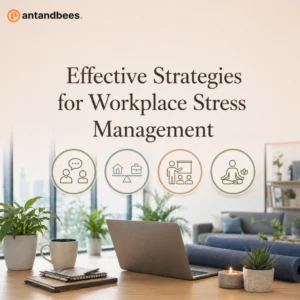
Effective Strategies for Workplace Stress Management
1. Foster Open Communication
Encouraging open dialogue about stress helps employees feel comfortable discussing their challenges. Implement regular check-ins, feedback sessions, and an open-door policy to promote transparency.
2. Promote Work-Life Balance
Encouraging employees to maintain a healthy balance between their professional and personal lives can significantly alleviate stress. Strategies include:
- Flexible Working Hours: Allow employees to adjust their schedules to meet personal commitments.
- Remote Work Options: Facilitate work-from-home policies where possible to reduce commuting stress.
3. Provide Training and Resources
Equip employees with tools to cope with stress effectively. This might involve providing:
- Stress Management Workshops: Offer training focusing on identification and management of stress.
- Access to Counseling Services: Partner with mental health professionals to provide onsite or virtual support.
4. Implement Mindfulness Practices
Incorporating mindfulness can help employees reduce tension and increase focus. Opportunities include:
- Yoga and Meditation Sessions: Offer regular sessions to help employees unwind and recharge.
- Mindfulness Breaks: Encourage short breaks during the day for relaxation and mental rejuvenation.
Getting Started with Workplace Stress Management
To implement an effective workplace stress management plan, consider the following steps:
- Assess the Current Situation: Use surveys or interviews to understand the current state of workplace stress.
- Identify Key Stressors: Gather data to pinpoint the primary sources of stress in your organization.
- Develop a Strategy: Based on the assessment, create a tailored stress management program that addresses identified stressors.
- Train and Educate: Ensure that employees and management understand the plan and strategies for implementation.
- Monitor Progress: Regularly review the effectiveness of the program and make adjustments based on feedback and outcomes.
Frequently Asked Questions
What are some common signs of workplace stress?
Common symptoms may include chronic fatigue, irritability, anxiety, difficulty concentrating, and decreased performance. Managers should be trained to recognize these signs among their teams.
How can I reduce my workload effectively?
Start by delegating tasks, prioritizing responsibilities, or discussing workload adjustments with your supervisor. Communicate openly about your workload to seek assistance and support.
What resources can assist in workplace stress management?
Consider utilizing resources such as employee assistance programs (EAPs), professional counseling, or workshops focused on stress management. Explore insights on effective methods through related resources like Stress Management Tips.
Are there specific exercises for stress relief?
Practicing yoga can be particularly beneficial in managing workplace stress. Explore powerful Yoga for Stress Relief techniques tailored for the workplace to help you reduce anxiety, improve focus, and maintain inner peace.






Be First to Comment