

Understanding Mindfulness and Its Benefits
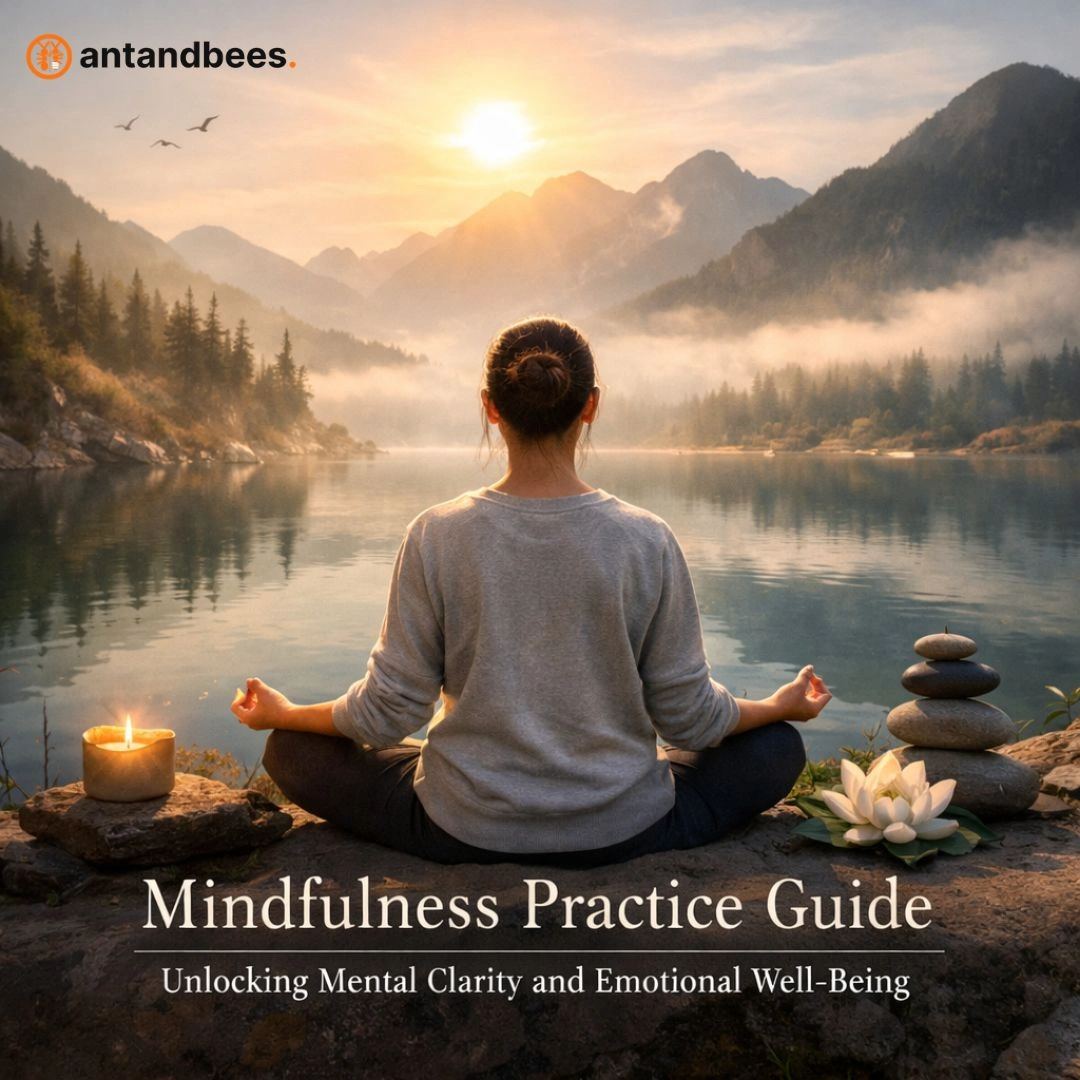
Mindfulness is a powerful practice that fosters awareness of the present moment, encouraging a deep sense of connection to oneself and the surroundings. By cultivating mindfulness, individuals can reduce stress, enhance focus, and promote emotional well-being. This mindfulness practice guide will provide you with essential techniques, tips, and insights to integrate mindfulness into your daily life.
What is Mindfulness?
Mindfulness is the intentional practice of being fully present and engaged in the current moment, without judgment. It traces its roots back to ancient meditation practices and has gained popularity in modern psychology and wellness for its profound impacts on mental health.
Benefits of Mindfulness
Practicing mindfulness offers a multitude of benefits, including:
- Stress Reduction: Mindfulness helps in lowering cortisol levels, which can mitigate stress and anxiety.
- Enhanced Focus: Regular mindfulness practice can improve concentration and cognitive flexibility.
- Emotional Regulation: Mindfulness can lead to better management of emotions and increased resilience against emotional challenges.
- Improved Relationships: By being present, individuals can engage more authentically with others, leading to stronger connections.
Getting Started with Mindfulness
Essential Techniques for Mindfulness Practice
Here are key techniques to begin your mindfulness practice:
- Mindful Breathing: This technique involves paying attention to your breath. Find a comfortable position, breathe in deeply through your nose, and exhale through your mouth. Focus on the sensation of breath entering and leaving your body.
- Body Scan Meditation: Lie down comfortably and bring awareness to each part of your body, starting from your toes and moving up to your head. Notice any sensations or discomfort without attempting to change them.
- Mindful Walking: Engage in walking with awareness. Notice the feeling of your feet touching the ground and the rhythm of your breath. This practice can be done indoors or outdoors.
- Gratitude Journaling: Reflecting on things you are grateful for can enhance mindfulness. Spend a few moments each day writing down three things that you appreciate.
Creating a Mindfulness Routine
Establishing a mindfulness routine is crucial for long-term commitment. Here’s how to create one:
- Set a Specific Time: Choose a time that works best for you—morning, midday, or evening. Consistency is key.
- Start Small: Begin with just five minutes of practice daily and gradually increase the duration as you become more comfortable.
- Find a Quiet Space: Identify a location where you can practice without distractions. This could be a corner of your home or a peaceful outdoor setting.
- Use Guided Meditations: Consider utilizing resources such as guided mindfulness meditations available through various apps and websites.
Deepening Your Mindfulness Practice
Mindfulness in Everyday Activities
Mindfulness can be integrated seamlessly into daily life. Here are some everyday activities that you can practice mindfully:
- Eating: Focus on the taste, texture, and aroma of your food. Chew slowly and savor every bite.
- Listening: When having a conversation, practice active listening. Pay full attention to the speaker, and avoid formulating your response while they are talking.
- Chores: Whether washing dishes or folding laundry, approach these tasks with mindfulness. Concentrate on the motion and sensations in your body.
Overcoming Challenges in Mindfulness Practice
Practicing mindfulness can present challenges. Here are some common obstacles and ways to overcome them:
- Distractions: It is normal for your mind to wander. Acknowledge distractions and gently return your focus to your breath or the task at hand.
- Time Constraints: Integrate mindfulness into short breaks throughout your day, such as a few deep breaths or a short walk.
- Impatience: Mindfulness is a skill that takes time to develop. Be patient and indulge in the process rather than seeking quick results.
Frequently Asked Questions
What is the best time of day to practice mindfulness?
The best time is when you feel most alert and can dedicate time without interruptions. Morning practice can set a positive tone for your day, while evening practice helps reflect and unwind.
How long should I practice mindfulness daily?
Start with five minutes and gradually extend your practice to 20 or 30 minutes as you become more comfortable.
Can mindfulness help with anxiety?
Yes, multiple studies indicate that mindfulness can significantly reduce symptoms of anxiety by promoting relaxation and altering negative thought patterns.
Are there mindfulness apps I can use?
There are several apps available that offer guided meditations and mindfulness exercises, such as Headspace and Calm. Find one that resonates with your preferences.






Be First to Comment