


Probiotics have gained significant attention in recent years due to their vital role in promoting gut health and supporting overall wellness. As consumers increasingly seek ways to enhance their health, understanding the landscape of probiotic supplements in the USA becomes crucial. This guide aims to provide you with comprehensive insights into probiotic supplements, their benefits, considerations for choosing the right ones, and tips for incorporating them into your routine.
What Are Probiotic Supplements?
Probiotic supplements contain live bacteria that confer health benefits when consumed in adequate amounts. These beneficial microorganisms help maintain a balanced gut microbiota, which is integral for digestive health, immune function, and even mental well-being. Probiotics are available in various forms, including capsules, tablets, powders, and fermented foods like yogurt and kefir.

The Benefits of Probiotic Supplements
1. Improved Digestive Health
One of the primary benefits of probiotic supplements is their ability to enhance digestive health. By promoting a balanced gut microbiota, they can alleviate issues like bloating, diarrhea, and constipation.
2. Immune System Support
Research indicates that probiotics may bolster the immune system, reducing the incidence and duration of illnesses. A healthy gut microbiome plays a pivotal role in protecting against pathogens and infections.
3. Mental Health Benefits
Emerging studies suggest a link between gut health and mental well-being. Probiotics may help regulate mood and reduce symptoms of anxiety and depression through the gut-brain axis.
4. Support for Weight Management
Some studies indicate that specific probiotic strains can aid in weight management by influencing metabolism and fat storage, making them a potential addition to weight loss strategies. For more on weight management, check out our guide on Weight Loss Supplements USA.
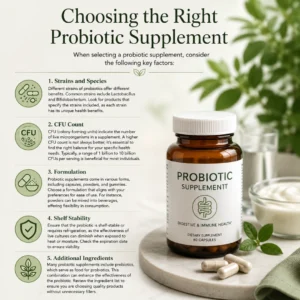
Choosing the Right Probiotic Supplement
When selecting a probiotic supplement, consider the following key factors:
Strains and Species
Different strains of probiotics offer different benefits. Common strains include Lactobacillus and Bifidobacterium. Look for products that specify the strains included, as each strain has its unique health benefits.
CFU Count
CFU (colony-forming units) indicate the number of live microorganisms in a supplement. A higher CFU count is not always better; it’s essential to find the right balance for your specific health needs. Typically, a range of 1 billion to 10 billion CFUs per serving is beneficial for most individuals.
Formulation
Probiotic supplements come in various forms, including capsules, powders, and gummies. Choose a formulation that aligns with your preferences for ease of use. For instance, powders can be mixed into beverages, offering flexibility in consumption.
Shelf Stability
Ensure that the probiotic is shelf-stable or requires refrigeration, as the effectiveness of live cultures can diminish when exposed to heat or moisture. Check the expiration date to ensure viability.
Additional Ingredients
Many probiotic supplements include prebiotics, which serve as food for probiotics. This combination can enhance the effectiveness of the probiotic. Review the ingredient list to ensure you are choosing quality products without unnecessary fillers.

How to Incorporate Probiotic Supplements into Your Routine
-
Start Slowly: If you are new to probiotics, begin with a lower dose and gradually increase it to avoid digestive discomfort.
-
Consistency is Key: For optimal results, take your probiotic supplement at the same time each day. This helps establish a routine and enhances adherence.
-
Consider Timing: Some research suggests taking probiotics on an empty stomach may improve survival rates of the bacteria, ensuring more reach the gut.
-
Combine with a Healthy Diet: Probiotics work best alongside a balanced diet rich in fiber, fruits, and vegetables. Consuming fermented foods can further support your gut health.
Frequently Asked Questions (FAQs)
What are the best probiotic supplements available in the USA?
The best probiotic supplements vary based on individual health needs. Look for those with clinically researched strains and appropriate CFU counts.
Can anyone take probiotics?
Most people can safely take probiotics, but those with compromised immune systems or underlying health conditions should consult a healthcare professional first.
How long does it take for probiotics to work?
Effects can vary, but many individuals report improvements in digestive health within a few days to weeks of regular use.
Are probiotic supplements safe during pregnancy?
Pregnant women should consult a healthcare provider before starting any new supplements, including probiotics, to ensure safety for both mother and child.
Understanding the role of probiotic supplements in the USA can empower you to make informed health decisions. By choosing the right product and incorporating it into your daily routine, you can unlock the benefits of a balanced gut microbiome and overall improved wellness.






Be First to Comment