

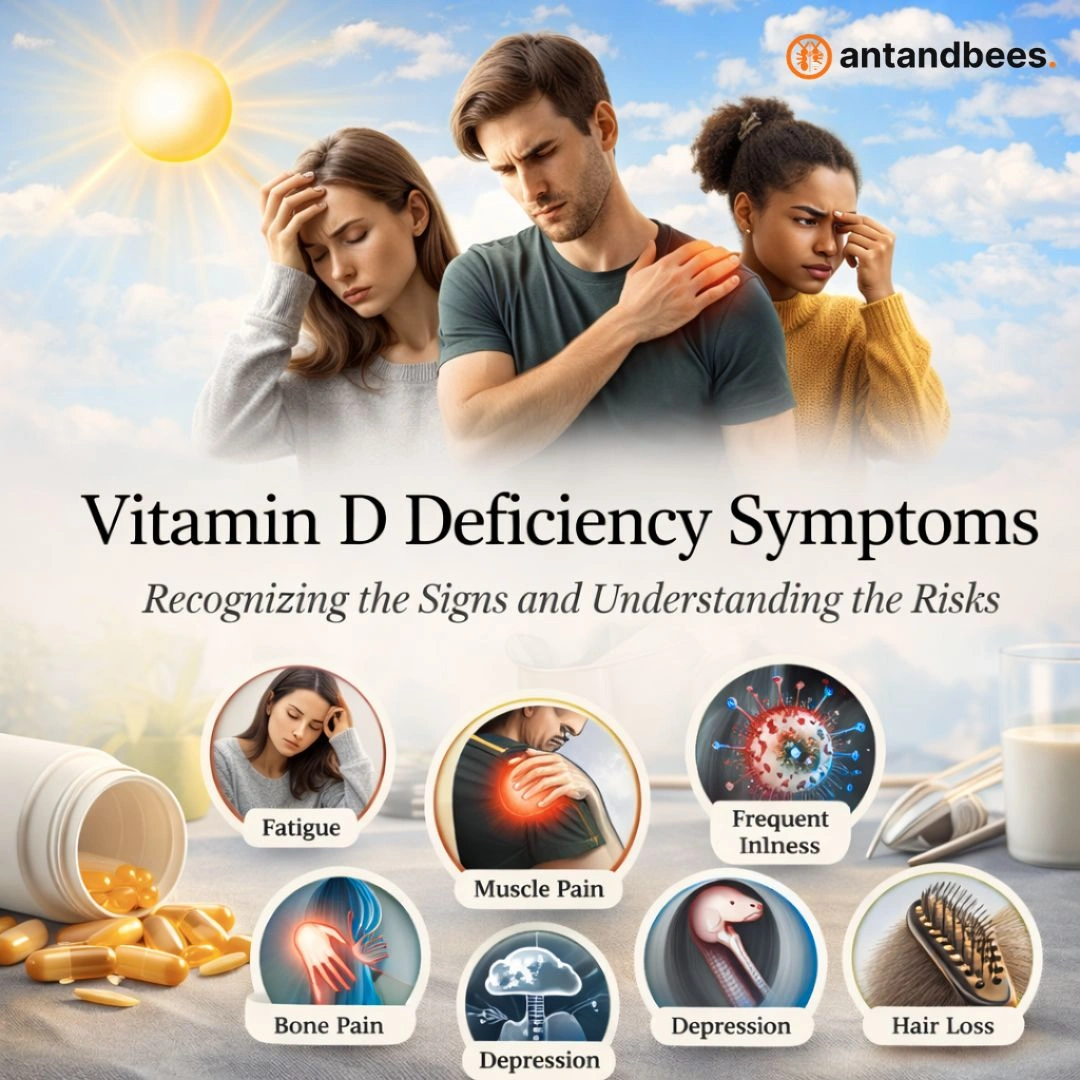
Vitamin D plays a vital role in maintaining overall health. However, a deficiency can lead to a range of symptoms that may often be overlooked or misattributed to other health issues. Understanding the signs of vitamin D deficiency is the first step toward ensuring that your body receives the necessary nutrients it needs for optimal functioning.
Understanding Vitamin D and Its Importance
Vitamin D is a fat-soluble vitamin essential for various bodily functions, including:
- Bone Health: It aids in calcium absorption, which is crucial for strengthening bones and preventing osteoporosis.
- Immune System Support: Optimizes the immune response and may help in reducing the risk of chronic diseases.
- Mood Regulation: Linked to serotonin production, which can influence mood and reduce the risk of depression.
Though the body can produce vitamin D when exposed to sunlight, many people do not get enough, leading to various deficiency symptoms.
Common Symptoms of Vitamin D Deficiency
Identifying vitamin D deficiency symptoms can help you seek appropriate treatment. Some common signs include:
1. Muscle Weakness
Experiencing general muscle weakness or discomfort can be a significant indicator of low vitamin D levels. This weakness may manifest as difficulty performing daily activities or feeling unusually fatigued.
2. Bone Pain and Discomfort
Vitamin D is crucial for calcium absorption. Insufficient amounts can lead to poor bone health, resulting in bone pain or discomfort. People may mistake this discomfort for signs of aging.
3. Increased Fatigue
Chronic fatigue is often overlooked but can signify vitamin D deficiency. Many individuals report feeling excessively tired despite adequate sleep.
4. Mood Changes
Low levels of vitamin D are associated with mood disorders, particularly depression and anxiety. Research indicates that those with lower vitamin D levels are more likely to experience mood swings or feelings of sadness.
5. Frequent Infections
Vitamin D plays an important role in immune system function. A deficiency may make individuals more susceptible to infections, as the immune response becomes compromised.
6. Hair Loss
Significant hair loss can occur as a symptom of vitamin D deficiency. A condition known as alopecia areata, which causes hair loss, has been linked to low levels of this essential vitamin.
7. Impaired Wound Healing
Individuals with a vitamin D deficiency may notice that their wounds heal more slowly. This is due to the vitamin’s role in regulating inflammation and promoting skin health.
8. Dental Issues
Vitamin D is necessary for maintaining proper oral health. A deficiency can lead to gum disease and other dental problems.
Risk Factors for Vitamin D Deficiency
Certain populations are at a higher risk for vitamin D deficiency, including:
- Individuals with limited sun exposure, such as those living in northern latitudes or who work indoors.
- Older adults, who may have decreased ability to produce vitamin D through the skin.
- People with darker skin, as higher melanin levels reduce the skin’s ability to produce vitamin D.
- Those with specific medical conditions (e.g., gastrointestinal disorders) that affect nutrient absorption.
Testing and Diagnosis
If you suspect you have vitamin D deficiency symptoms, it is crucial to consult with a healthcare professional. A simple blood test can determine your vitamin D levels and guide appropriate treatment options.
Addressing Vitamin D Deficiency
If diagnosed with a vitamin D deficiency, several treatment options include:
- Dietary Adjustments: Incorporate foods rich in vitamin D, such as fatty fish, fortified dairy products, and egg yolks.
- Supplements: Many individuals may benefit from vitamin D supplements, particularly during the winter months or for those with limited sun exposure. For guidance on choosing the right supplement, refer to our article on multivitamins.
- Sun Exposure: Increasing safe sun exposure can naturally boost vitamin D levels. Aim for about 10-30 minutes of sunlight several times a week, depending on skin type and local climate.
Frequently Asked Questions
What are the early signs of vitamin D deficiency?
The early signs can include fatigue, muscle weakness, and bone discomfort.
How do I increase my vitamin D levels quickly?
Increasing sun exposure, consuming vitamin D-rich foods, and taking supplements can help raise levels.
Can vitamin D deficiency cause hair loss?
Yes, a deficiency in vitamin D can contribute to hair loss, particularly in the form of alopecia areata.
How long does it take to correct a vitamin D deficiency?
With appropriate intervention, individuals can see improvements within a few weeks, though it may take longer to reach optimal levels.






Be First to Comment