

Understanding Power Yoga
Power yoga is a dynamic and physically demanding form of yoga that emphasizes strength, flexibility, and endurance. It integrates the principles of traditional yoga with a vigorous workout to create a practice that has become increasingly popular among fitness enthusiasts. A power yoga routine not only helps enhance your physical fitness but also contributes significantly to mental clarity and emotional balance.
Benefits of a Power Yoga Routine
Engaging in a regular power yoga routine offers numerous advantages:
- Improved Strength: Larger muscle groups are targeted, particularly in the arms, legs, and core, leading to increased overall power.
- Enhanced Flexibility: Dynamic poses promote flexibility and range of motion, which can benefit daily activities and performance in other sports.
- Effective Stress Relief: The focus on breath and movement encourages relaxation, reducing stress and anxiety levels.
- Cardiovascular Fitness: The fast-paced nature elevates heart rate, providing a cardiovascular workout that supports heart health.
- Mind-Body Connection: Combining movement with breath creates a meditative state, enhancing overall mindfulness and focus.
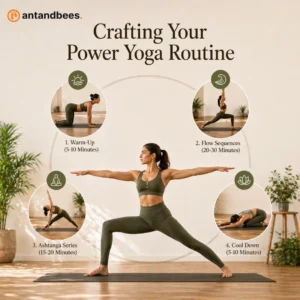
Crafting Your Power Yoga Routine
To create an effective power yoga routine, consider the following components:
1. Warm-Up (5-10 Minutes)
Begin with gentle movements to prepare your body for the intensity ahead. Incorporating sun salutations can help:
- Cat-Cow Stretch: Warming up the spine.
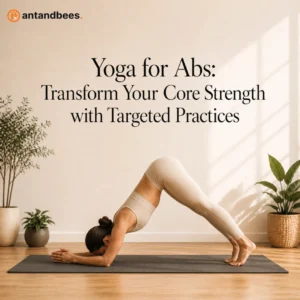
- Downward Dog: Lengthening the hamstrings and calves.
- Warrior I: Opening the hips and engaging the core.
2. Flow Sequences (20-30 Minutes)
Incorporate a variety of poses to build strength and keep the heart rate up. Focus on smooth transitions between postures to enjoy a seamless flow, similar to a yoga flow routine. Important poses include:
- Chair Pose (Utkatasana): Strengthens the legs and core.
- Plank Pose: Engages upper body and core stability.
- Cobra Pose: Opens the chest and stretches the spine.
- Warrior II Pose: Builds leg strength and balance.
3. Ashtanga Series (15-20 Minutes)
Consider adding the Ashtanga series for a structured approach, which usually consists of:
- Sun Salutations A and B
- Standing Poses: Such as Triangle Pose and Extended Side Angle.
- Seated Poses: Like Forward Fold and Seated Twist.
4. Cool Down (5-10 Minutes)
Conclude your session with restorative postures to promote relaxation:
- Bridge Pose: Strengthens the back while calming the mind.
- Supine Twist: Releases tension in the spine.
- Child’s Pose: Provides a gentle stretch for the back and hips.

Tips for an Effective Practice
- Create a Suitable Environment: Choose a calm and quiet space where you feel comfortable practicing.
- Use Props: Blocks, straps, and bolsters can assist you in achieving proper alignment and support during poses.
- Incorporate Meditation: Spend a few minutes focusing on your breath post-workout to deepen the mind-body connection.
- Stay Hydrated: Keep water handy to hydrate before and after your practice.
Safety Considerations
While attempting a power yoga routine, always listen to your body and avoid pushing beyond your limits. If any pose causes discomfort, modify it or consult a certified instructor for guidance. Attention to form and alignment is crucial to prevent injury.
Frequently Asked Questions
What is the difference between power yoga and traditional yoga?
Power yoga is a more intense, fitness-based approach that focuses on strength and endurance, while traditional yoga tends to emphasize relaxation and static poses.
Can power yoga help with weight loss?
Yes, a power yoga routine can be beneficial for weight loss due to its high-calorie-burning potential and the boost to metabolism that occurs from increased muscle engagement. You can explore specific techniques for this purpose in our article on yoga for weight loss.
How can I improve my flexibility through power yoga?
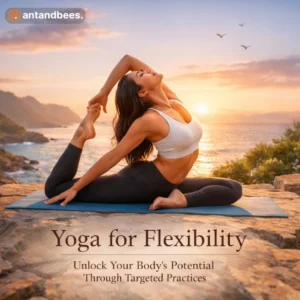
Incorporating poses that challenge your flexibility, such as the seated forward fold and pigeon pose, into your routine will help enhance your overall flexibility. For targeted practices focused specifically on flexibility, refer to our guide on yoga for flexibility.

Be First to Comment