

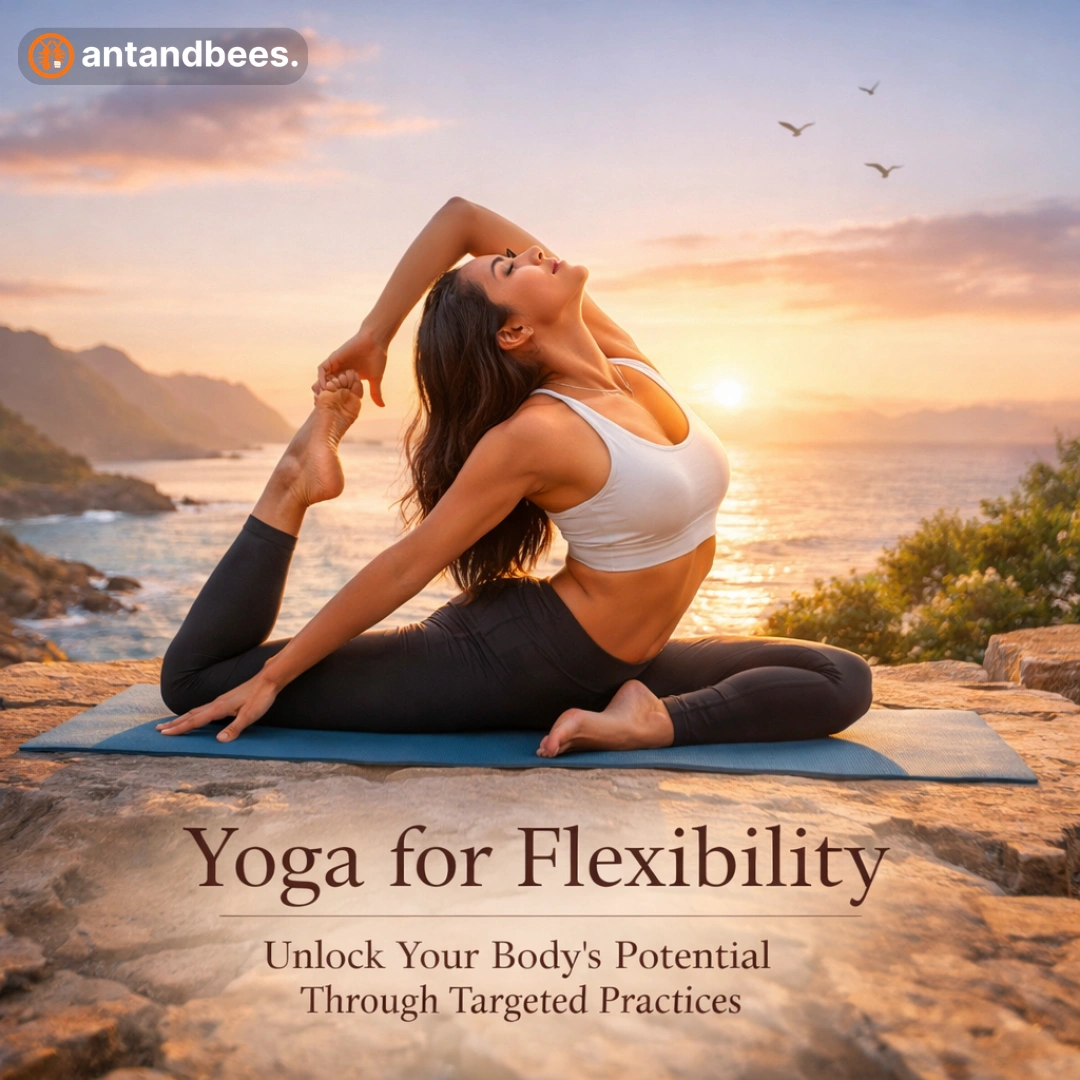
Understanding Yoga for Flexibility
In recent years, yoga has gained popularity as a holistic approach to improving physical and mental well-being. One of the most coveted benefits of practicing yoga is increased flexibility. Flexibility plays a crucial role in overall health, facilitating easier movement, reducing the risk of injury, and enhancing performance in various physical activities. This article delves into the best practices and poses that can help you improve your flexibility through yoga.
Benefits of Increased Flexibility
Enhancements to Physical Well-being
- Improved Range of Motion: Regular practice enables joints to move more freely, enhancing mobility.
- Reduction in Muscle Tension: Stretching the muscles alleviates tightness and discomfort.
- Injury Prevention: Flexible muscles are less prone to strains and sprains.
- Enhanced Athletic Performance: Improved flexibility can lead to better technique and increased power in various sports.
Mental and Emotional Advantages
- Reduced Stress Levels: Engaging in yoga can help calm the mind, reducing anxiety and promoting relaxation.
- Increased Mind-Body Connection: A focus on breath and movement encourages greater self-awareness and mindfulness.
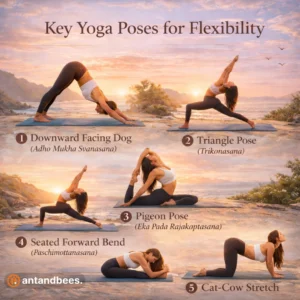
Key Yoga Poses for Flexibility
To achieve greater flexibility, incorporating specific poses into your practice can be highly effective. Here are notable asanas that target various muscle groups:
1. Downward Facing Dog (Adho Mukha Svanasana)
This pose stretches the entire back, hamstrings, and calves. It also helps improve blood circulation and strengthens the arms and legs.
2. Triangle Pose (Trikonasana)
A powerful stretch for the inner thighs, groins, and shoulders. It enhances balance and stimulates digestion.
3. Pigeon Pose (Eka Pada Rajakapotasana)
Ideal for opening up the hips, this pose targets the glutes and hip flexors. It’s beneficial for relieving lower back tension.
4. Seated Forward Bend (Paschimottanasana)
This pose stretches the spine, hamstrings, and the back of the legs, promoting relaxation while improving flexibility.
5. Cat-Cow Stretch (Marjaryasana-Bitilasana)
An excellent warm-up that enhances spine flexibility while relieving tension in the neck and back.
Developing a Stability-Focused Yoga Flow
To seamlessly integrate these poses into your routine, consider adopting a fluid yoga flow that incorporates a sequence of asanas. A basic sequence might include:
- Start with a few minutes of deep breathing to center your mind.
- Begin with Downward Facing Dog to stretch and warm up the body.
- Flow into Cat-Cow Stretch to engage the spine.
- Transition into Triangle Pose, holding for several breaths on each side.
- Move into Pigeon Pose for deeper hip opening.
- Conclude with a Seated Forward Bend followed by a brief relaxation in Savasana.
This yoga flow routine can be practiced multiple times a week to yield significant improvements in flexibility. Regularity is key, and merging this with an awareness of yoga frequency will help to optimize benefits.
How Often Should You Practice Yoga for Flexibility?
For best results, incorporating yoga into your weekly routine is highly recommended. Aim for:
- 2 to 3 Times a Week: This frequency can greatly enhance flexibility when combined with other forms of exercise.
- Daily Short Sessions: If possible, engaging in shorter sessions can be more effective than infrequent long practices.
Addressing Common Concerns
Can beginners practice yoga for flexibility?
Absolutely, individuals at all experience levels can participate. Start slowly, and focus on maintaining proper form in each pose.
How long before I notice changes in my flexibility?
While everyone’s body is different, many practitioners report noticeable improvements within a few weeks of consistent practice.
Is there a specific type of yoga that focuses on flexibility?
Styles such as Hatha and Yin Yoga place significant emphasis on stretching and flexibility. Flowing practices, such as Vinyasa, can also incorporate poses that enhance flexibility considerably.
FAQs about Yoga for Flexibility
What are the best yoga poses for beginners focused on flexibility?
Beginners can start with simple poses like Downward Facing Dog, Seated Forward Bend, and Cat-Cow Stretch as foundational exercises.
How can yoga help with back pain?
Specific asanas, such as Pigeon Pose and Child’s Pose, can relieve tension and improve mobility in the spine. Explore more techniques in our article on yoga for back pain.




Be First to Comment