

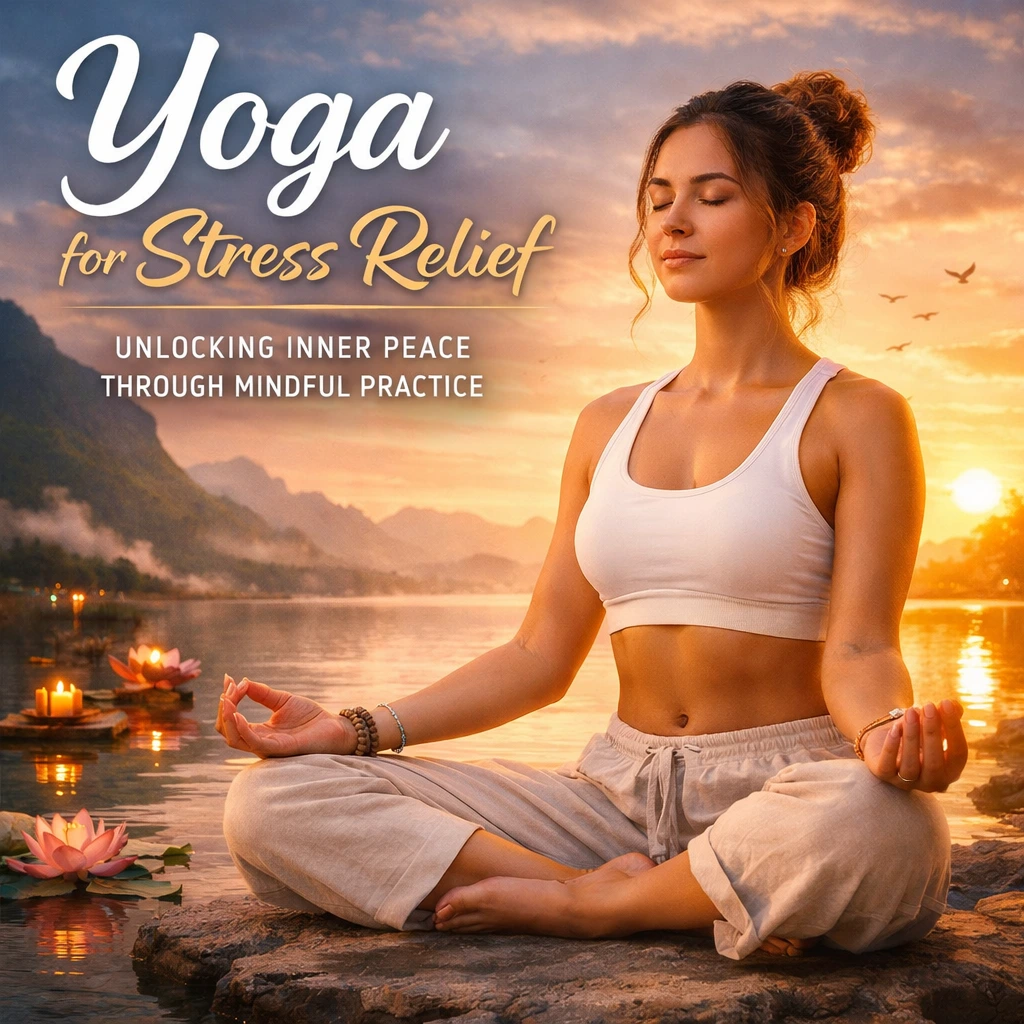
Understanding Stress and Its Impact on Well-Being
Stress is a prevalent issue affecting countless individuals globally, manifesting in various ways such as anxiety, fatigue, and physical ailments. The body’s response to stress involves the activation of the sympathetic nervous system, often referred to as the “fight or flight” response. Over time, chronic stress can lead to severe health concerns, underscoring the necessity for effective coping mechanisms.
Yoga for stress relief offers a holistic approach to managing these symptoms by fostering a connection between the mind and body. This practice encourages mindfulness, promotes relaxation, and enhances overall well-being, which can lead to significant improvements in one’s everyday life.
The Benefits of Yoga for Stress Relief
Yoga provides numerous benefits, particularly when focusing on stress relief. Here are some of the key advantages:
1. Promotes Mindfulness
Practicing yoga cultivates mindfulness, helping individuals focus their attention on the present moment. This shift in awareness can significantly reduce feelings of stress and anxiety. Mindful breathing techniques used in yoga teach practitioners how to observe their thoughts without judgment, providing tools to manage stress more effectively.
2. Enhances Relaxation
Yoga encourages deep, intentional breathing, which activates the parasympathetic nervous system. This process fosters relaxation and combats the physical effects of stress, reducing heart rate and improving blood circulation. Specific techniques such as pranayama (breath control) are particularly effective for achieving a state of calm.
3. Improves Flexibility and Strength
Regular yoga practice not only aids in relaxation but also enhances physical flexibility and strength. Incorporating postures that promote both can alleviate muscle tension and discomfort often associated with stress. For those interested, you can explore foundational movements in our guide on basic yoga poses.
4. Fosters a Sense of Community
Yoga often creates a unique sense of community among practitioners. Joining a yoga class enables individuals to connect with others, share experiences, and provide emotional support, which is crucial in combating stress and anxiety. The social aspect of yoga contributes to overall mental health.
Effective Yoga Poses for Stress Relief
When practicing yoga for stress relief, certain poses can be particularly beneficial. Here are some that are often recommended:
1. Child’s Pose (Balasana)
This restorative position promotes relaxation and gently stretches the spine. By allowing the body to curl inward, it encourages introspection and calm.
2. Cat-Cow Stretch (Marjaryasana-Bitilasana)
This flow between two poses helps relieve tension in the spine while also promoting flexibility. It encourages deep inhalation and exhalation, vital for relaxation.
3. Standing Forward Bend (Uttanasana)
This pose calms the mind and helps relieve stress by lengthening the spine and hamstrings. It also encourages blood flow to the brain, which is essential for mental clarity.
4. Legs-Up-The-Wall Pose (Viparita Karani)
This position facilitates relaxation and reduces feelings of anxiety. Elevating the legs encourages lymphatic drainage and can help alleviate physical tension.
5. Corpse Pose (Savasana)
Often used at the end of a yoga session, this pose is essential for integrating the effects of practice. Focus on deep breathing while embracing stillness to allow the mind to settle and find peace.
Incorporating Yoga into Your Daily Routine
To effectively use yoga as a tool for stress relief, consistency is key. Consider the following tips for integrating yoga into your daily life:
- Schedule Time: Carve out time each day dedicated to yoga practice, even if it’s just 10-15 minutes.
- Morning Yoga: Starting your day with a morning yoga routine can provide mental clarity and energy, setting a positive tone for the rest of the day.
- Create a Sacred Space: Designate a quiet area in your home for yoga practice. This can be a calming environment that fosters relaxation and focus.
- Explore Community Classes: Look for local classes or online options to practice with others, enhancing motivation and enjoyment.
Frequently Asked Questions About Yoga for Stress Relief
How does yoga help with stress relief?
Yoga reduces stress by promoting mindfulness, enhancing relaxation through breath control, and fostering a physical connection that alleviates tension.
What is the best time of day to practice yoga for stress?
Morning yoga can energize your day, while evening sessions can help release accumulated stress. Find a time that works best for you.
Do I need to be flexible to do yoga?
No. Yoga is accessible to everyone, regardless of their current fitness level or flexibility.
Can yoga help with weight loss?
Yes, incorporating yoga into your lifestyle can support weight loss efforts by enhancing physical activity and promoting mindful eating habits, both of which contribute to overall wellness and effective stress management.





Be First to Comment