

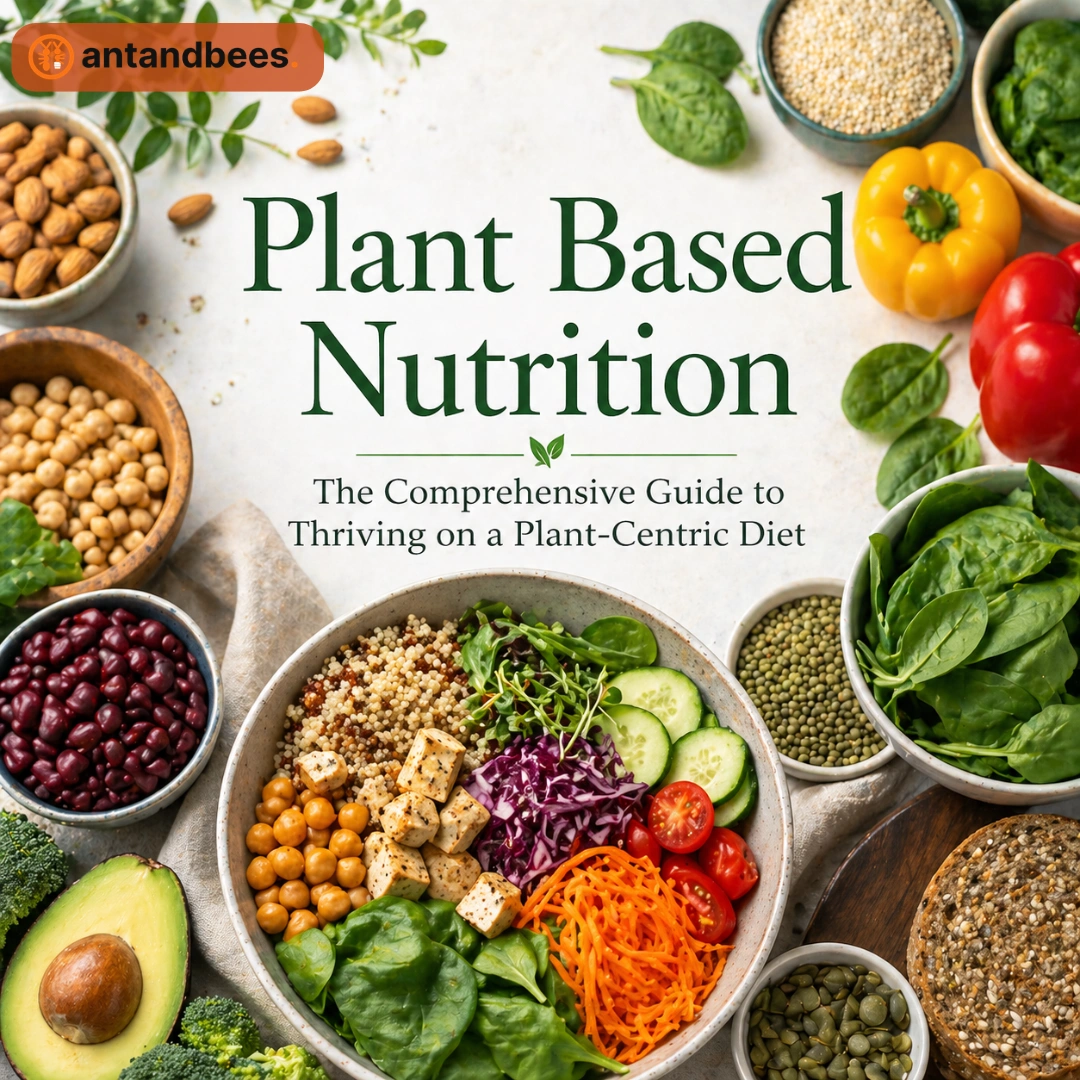
Understanding Plant Based Nutrition
Plant based nutrition is more than just a dietary choice; it represents a lifestyle that promotes health and sustainability. Emphasizing the use of whole, minimally processed foods originating from plants, this approach can significantly enhance overall well-being. By focusing on fruits, vegetables, legumes, nuts, seeds, and whole grains, individuals can benefit from a wide array of essential nutrients while reducing their intake of harmful substances commonly found in animal products.
The Health Benefits of Plant Based Nutrition
Implementing a plant based diet can lead to numerous health advantages. Here are some of the most notable benefits:
1. Improved Heart Health
Numerous studies have shown that a diet rich in plant based foods can lower cholesterol levels and reduce blood pressure. Foods high in fiber, like beans and whole grains, contribute to a healthier cardiovascular system.
2. Weight Management
Adopting plant based Nutrition can aid in weight loss or maintenance. Since plant foods are often lower in calories and high in fiber, they promote feelings of fullness, helping to control appetite.
3. Disease Prevention
Research links plant based diets to lower risks of chronic diseases such as type 2 diabetes, certain cancers, and obesity. A diverse intake of colorful fruits and vegetables ensures a broad spectrum of antioxidants, vitamins, and minerals that boost the immune system.
4. Enhanced Digestive Health
A plant based diet promotes healthy digestion due to its high fiber content. Dietary fiber is crucial for gut health, helping to prevent constipation and promoting a healthy microbiome.
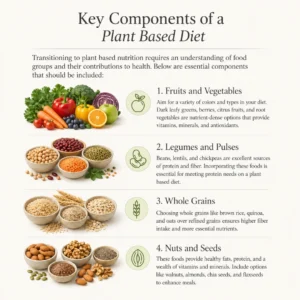
Key Components of a Plant Based Diet
Transitioning to plant based nutrition requires an understanding of food groups and their contributions to health. Below are essential components that should be included:
Fruits and Vegetables
Aim for a variety of colors and types in your diet. Dark leafy greens, berries, citrus fruits, and root vegetables are nutrient-dense options that provide vitamins, minerals, and antioxidants.
Legumes and Pulses
Beans, lentils, and chickpeas are excellent sources of protein and fiber. Incorporating these foods is essential for meeting protein needs on a plant based diet.
Whole Grains
Choosing whole grains like brown rice, quinoa, and oats over refined grains ensures higher fiber intake and more essential nutrients.
Nuts and Seeds
These foods provide healthy fats, protein, and a wealth of vitamins and minerals. Include options like walnuts, almonds, chia seeds, and flaxseeds to enhance meals.
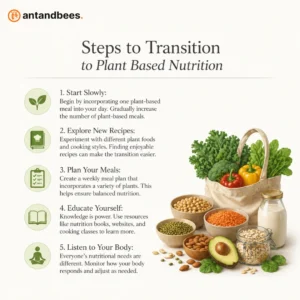
Steps to Transition to Plant Based Nutrition
Making the shift to a plant based diet doesn’t need to be overwhelming. Here’s a step-by-step guide to help you transition smoothly:
-
Start Slowly: Begin by incorporating one plant-based meal into your day. Gradually increase the number of plant-based meals as you become more comfortable.
-
Explore New Recipes: Experiment with different plant foods and cooking styles. Finding enjoyable recipes can make the transition enjoyable rather than daunting.
-
Plan Your Meals: Create a weekly meal plan that incorporates a variety of plants. This will help ensure you meet your nutritional needs and avoid boredom with your meals.
-
Educate Yourself: Knowledge is power. Resources such as nutrition books, trustworthy websites, and cooking classes can enhance your understanding and skills.
-
Listen to Your Body: Everyone’s nutritional needs are different. Monitor how your body responds to dietary changes and adjust as needed.
Frequently Asked Questions About Plant Based Nutrition
What nutrients might I miss on a plant based diet?
While plant based nutrition offers many benefits, certain nutrients such as vitamin B12, omega-3 fatty acids, iron, and calcium may require special attention. Consider fortified foods or supplements if necessary.
Can I get enough protein from a plant based diet?
Absolutely! By consuming a variety of plant-based protein sources, such as beans, lentils, tofu, and tempeh, you can meet your protein needs effectively.
How do I ensure I am eating a balanced diet?
Focus on incorporating a diverse array of whole foods. Aim for a balance between fruits, vegetables, whole grains, and legumes, ensuring you cover all food groups.
What are easy snacks for a plant based diet?
Ideal snacks include fresh fruit, raw vegetables with hummus, nuts and seeds, or energy bars made primarily from plant ingredients.




Be First to Comment