

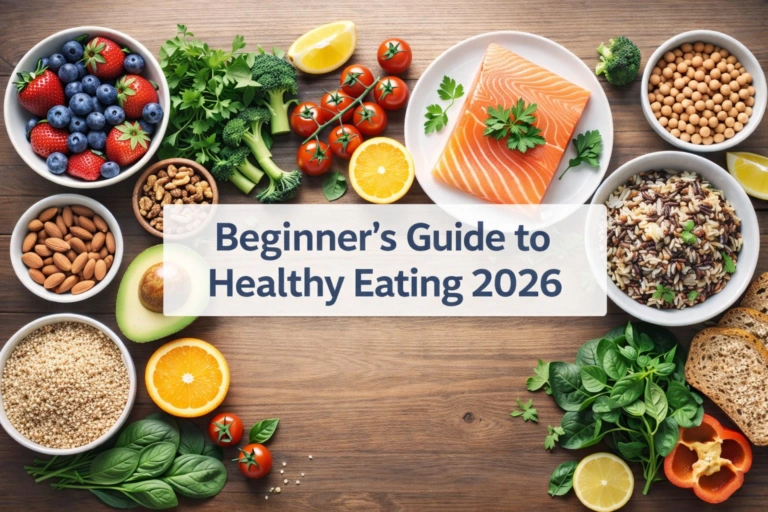
**Healthy eating** is becoming more important than ever in 2026. With busy lifestyles and processed foods everywhere, many people struggle to understand what truly healthy eating looks like. The good news is that improving your diet does not require complicated rules or extreme diets.
By learning a few nutrition basics and following a practical **healthy eating guide**, anyone can build a sustainable lifestyle that improves energy, supports mental focus, and protects long-term health.
This beginner-friendly guide explains how to create a balanced diet plan, choose nutritious foods, and develop simple eating habits that work in everyday life.
Understanding Nutrition Basics
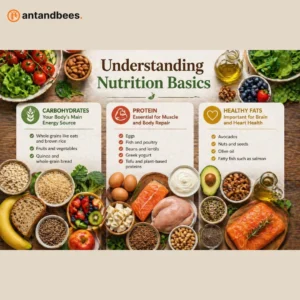
Before building a healthy diet, it’s important to understand the [**Nutrition**](https://www.antandbees.com/category/nutrition/) basics your body needs every day. Your body requires a mix of nutrients to function properly, including carbohydrates, proteins, fats, vitamins, and minerals.
These nutrients help support energy production, muscle repair, immune strength, and brain function.
Carbohydrates – Your Body’s Main Energy Source
Carbohydrates provide fuel for your body and brain. However, the type of carbohydrates you choose makes a big difference.
Healthy carbohydrate sources include:
- Whole grains like oats and brown rice
- Fruits and vegetables
- Quinoa and whole-grain bread
These foods release energy slowly and help maintain stable blood sugar levels.
Protein – Essential for Muscle and Body Repair
Protein plays an important role in repairing tissues and supporting muscle growth. It also helps keep you feeling full longer after meals.
Common healthy protein sources include:
- Eggs
- Fish and poultry
- Beans and lentils
- Greek yogurt
- Tofu and plant-based proteins
Adding protein to each meal is a key part of a balanced diet plan.
Healthy Fats – Important for Brain and Heart Health
Healthy fats support brain function, hormone production, and heart health.
Some of the best sources include:
- Avocados
- Nuts and seeds
- Olive oil
- Fatty fish such as salmon
Healthy fats should be consumed in moderation but are an important part of any healthy eating guide.
How to Create a Balanced Diet Plan
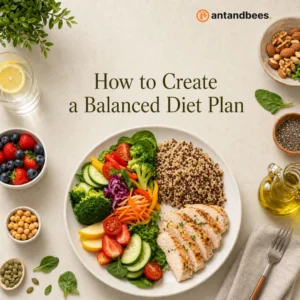
A balanced diet plan focuses on including a variety of food groups in the right proportions. One of the simplest ways to structure meals is the balanced plate method.
Experts often recommend:
- Half of the plate: Fruits and vegetables
- One quarter: Whole grains
- One quarter: Protein foods
This method helps maintain nutrient balance while preventing overeating.
By following this approach, your meals naturally include fiber, protein, healthy fats, vitamins, and minerals.
Easy Healthy Eating Habits for Beginners
Starting a healthy lifestyle does not require drastic changes. Instead, focus on building simple habits that you can maintain consistently.
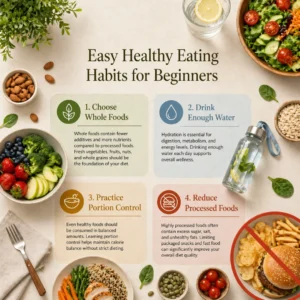
1. Choose Whole Foods
Whole foods contain fewer additives and more nutrients compared to processed foods. Fresh vegetables, fruits, nuts, and whole grains should be the foundation of your diet.
2. Drink Enough Water
Hydration is essential for digestion, metabolism, and energy levels. Drinking enough water each day supports overall wellness.
3. Practice Portion Control
Even healthy foods should be consumed in balanced amounts. Learning portion control helps maintain calorie balance without strict dieting.
4. Reduce Processed Foods
Highly processed foods often contain excess sugar, salt, and unhealthy fats. Limiting packaged snacks and fast food can significantly improve your overall diet quality.
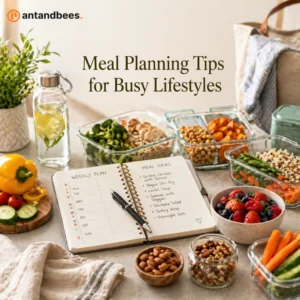
Meal Planning Tips for Busy Lifestyles
Many people struggle with healthy eating due to time constraints. However, a little planning can make healthy choices much easier.
Simple meal planning strategies include:
- Preparing meals for several days in advance
- Keeping healthy snacks like fruit or nuts available
- Cooking at home more often
- Reading food labels when shopping
Following a consistent healthy eating guide allows you to stay on track even during busy schedules.
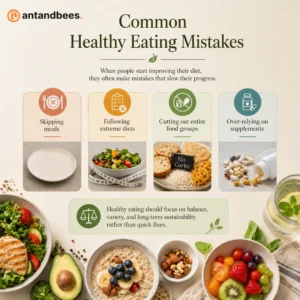
Common Healthy Eating Mistakes
When people start improving their diet, they often make mistakes that slow their progress.
Some common mistakes include:
- Skipping meals
- Following extreme diets
- Cutting out entire food groups
- Over-relying on supplements
Healthy eating should focus on balance, variety, and long-term sustainability rather than quick fixes.
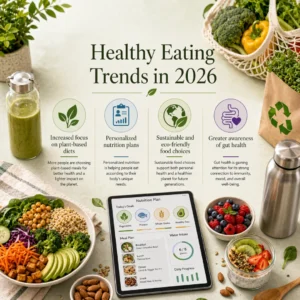
Healthy Eating Trends in 2026
Nutrition trends continue to evolve, and in 2026 several important trends are shaping healthier lifestyles:
- Increased focus on plant-based diets
- Personalized nutrition plans
- Sustainable and eco-friendly food choices
- Greater awareness of gut health
These trends highlight a shift toward smarter, long-term approaches to nutrition instead of temporary diet trends.
Final Thoughts
Healthy eating is not about perfection—it’s about making better choices consistently. By understanding the nutrition basics, following a reliable healthy eating guide, and creating a practical balanced diet plan, you can build a lifestyle that supports long-term health.
Small daily improvements—such as eating more vegetables, drinking enough water, and choosing whole foods—can lead to powerful health benefits over time.
The key is consistency. Start with small steps today, and your future self will thank you.


Comments are closed.