

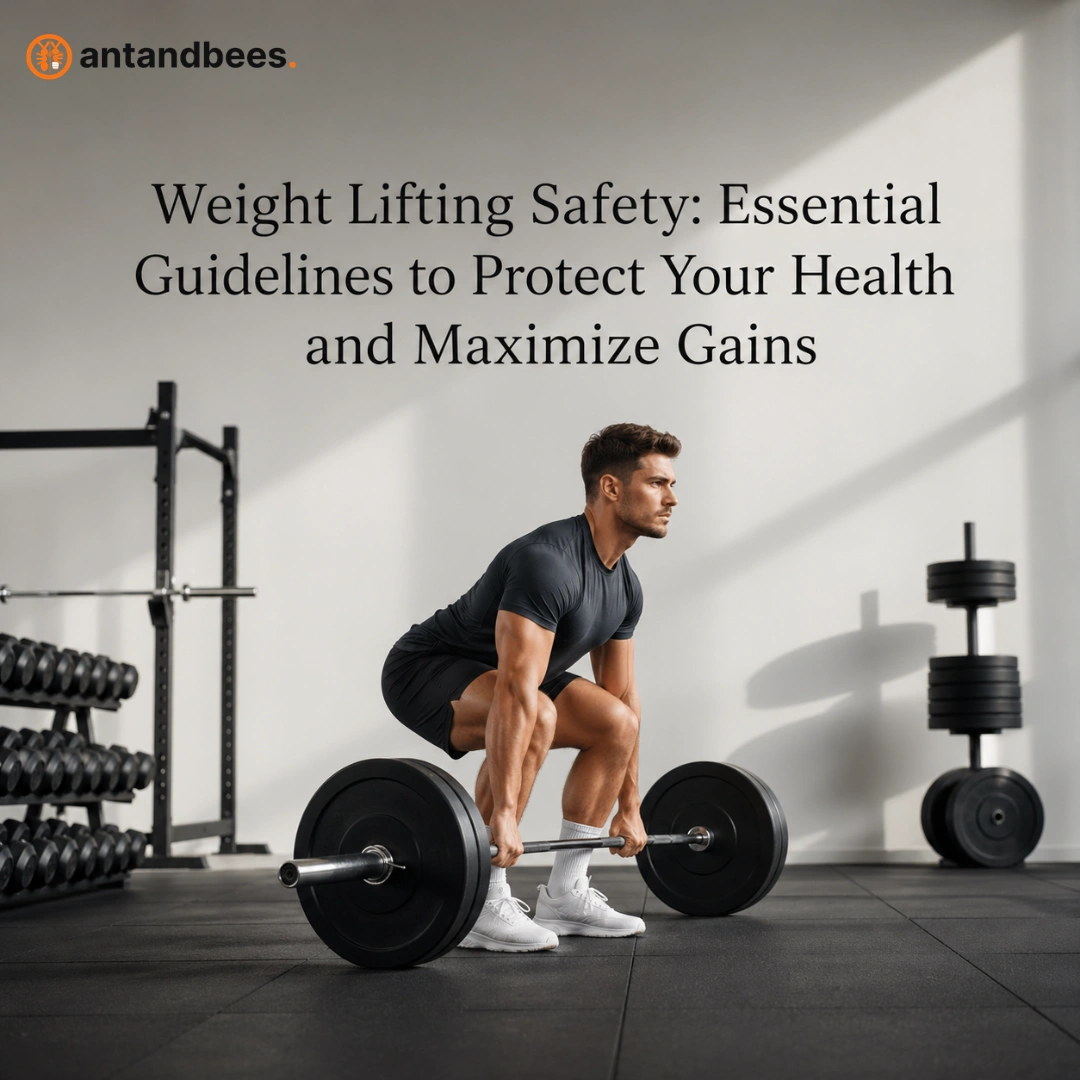
Understanding Weight Lifting Safety
Weight lifting is a highly effective method for building strength, improving muscle tone, and enhancing overall fitness. However, it also carries common risks that can lead to injuries if proper safety measures are not observed. This article provides key insights into weight lifting safety, outlining critical guidelines designed to help novices and experienced lifters alike achieve their fitness goals without risking their health.
The Importance of Proper Technique
Mastering Lifting Form
Mastering proper lifting form is crucial in preventing injuries associated with weight lifting. A few basic principles to remember include:
- Maintain a Neutral Spine: Keep your back straight and avoid rounding your shoulders while lifting.
- Engage Your Core: This stabilizes your body and offers additional support during the lift.
- Use a Full Range of Motion: Allow your joints to move freely to maximize effectiveness and minimize strain.
These techniques are fundamental, and neglecting them can lead to severe injuries, thus compromising your lifting experiences and long-term health.
The Role of Warm-Up and Stretching
Warming up before lifting weights is a vital component of weight lifting safety. It increases blood flow to the muscles and prepares your body for intense activity. A few recommended warm-up exercises include:
- Dynamic Stretching: Includes arm circles, leg swings, and torso twists.
- Light Cardiovascular Activity: Activities such as jogging or cycling for 5-10 minutes can effectively raise your heart rate.
Stretching post-workout is equally important to help maintain flexibility and reduce muscle soreness.
Choosing the Right Weight
Assessing Your Skill Level
Selecting an appropriate weight is crucial to safe lifting. Beginners should start with light weights, focusing on perfecting their technique. As strength improves, gradually increasing the load is advised. A general guideline to follow is the “two-rep rule”—if you can easily perform two additional repetitions beyond your target, consider increasing your weight.
Understanding Weight Progression
Implementing progressive overload is a successful strategy in weight lifting while adhering to safety protocols. Programs should include:
- Incremental Increases: Gradually increasing weights or repetitions every few weeks.
- Listening to Your Body: Pay attention to discomfort or pain and adjust your lifting routine accordingly.
The Significance of Spotting
When lifting heavier weights, the presence of a spotter can significantly increase safety during workouts:
- Spotter Roles: A spotter assists and ensures that lifters can safely complete their set without injury.
- Communication: Establish clear cues with your spotter for optimal safety and effectiveness during the lift.
Essential Weight Lifting Equipment
Invest in Quality Gear
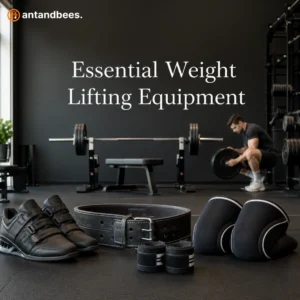
Choosing the right equipment can dramatically enhance weight lifting safety. Key items to consider include:
- Weightlifting Shoes: These provide stability and grip, essential during lifts.
- Weight Belts: Using a weight belt can support your lower back, especially with heavy lifting.
- Protective Gear: Consider using wrist wraps, knee sleeves, or gloves to protect joints and skin during workouts.
Regular Equipment Maintenance
Maintaining your lifting gear is also critical for safety. Regularly check weights, machines, and benches for wear and tear. Proper maintenance ensures that your equipment is always ready and safe to use.
FAQs About Weight Lifting Safety
What are the most common injuries associated with weight lifting?
Common injuries include sprains, strains, and fractures, often resulting from improper form, inadequate warm-up, or overexertion.
How can I avoid injuries while lifting weights?
To minimize injuries, focus on mastering your technique, appropriately warming up, engaging a spotter, and choosing the right weights based on your skill level.
At what age can I start weight lifting?
Most experts agree that youngsters can begin weight lifting with adequate supervision around age 12, focusing on proper technique rather than heavy weights.
Conclusion: Prioritizing Safety for Effective Weight Lifting
Practicing weight lifting safety is paramount for preserving health and achieving fitness goals. With informed techniques, the correct equipment, and a commitment to progressive training, individuals can enjoy the multitude of benefits that weight lifting offers without risking injury. As you build your strength, do not overlook the importance of safety; it is the foundation upon which successful and sustainable fitness is built.






Be First to Comment