

Understanding the Mediterranean Diet Plan
The Mediterranean diet plan is more than just a dietary approach; it represents a holistic lifestyle choice rooted in the traditional eating patterns of countries bordering the Mediterranean Sea. Characterized by its emphasis on whole foods, healthy fats, and vibrant flavors, this diet has been linked to numerous health benefits, including improved cardiovascular health, weight management, and better cognitive function.

Key Components of the Mediterranean Diet
Primary Food Groups
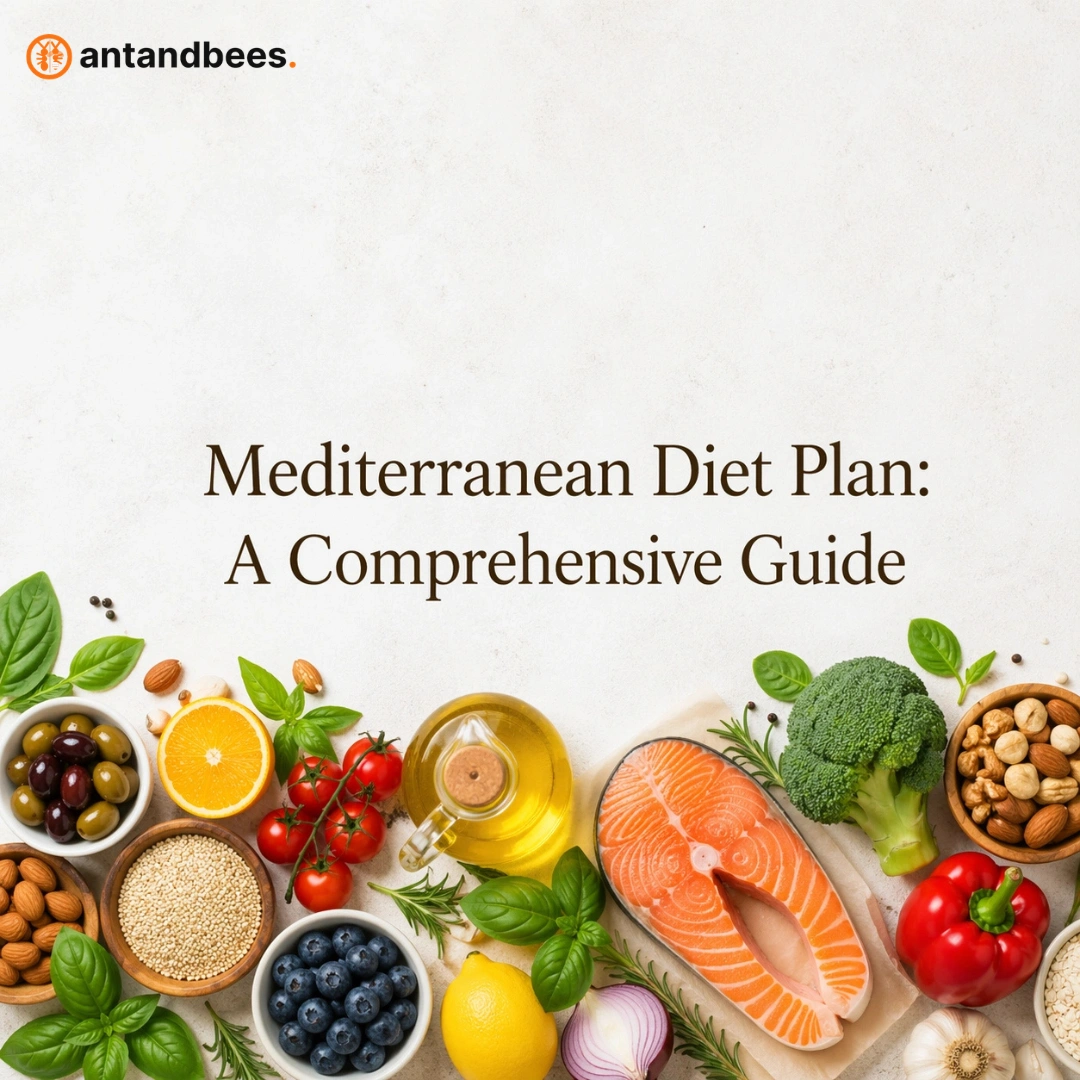
Adopting a Mediterranean diet plan involves focusing on several key food groups, including:
- Fruits and Vegetables: Aim for a colorful variety to maximize nutrient intake. Seasonal and locally sourced produce is often the most flavorful and nutritious.
- Whole Grains: Choose whole grains such as brown rice, quinoa, and whole grain bread. These provide essential fiber and nutrients.
- Healthy Fats: Olive oil is the primary source of fat in this diet. Nuts, seeds, and avocados are also included, providing heart-healthy monounsaturated fats.
- Lean Proteins: Incorporate fish and poultry, with limited red meat consumption. Plant-based proteins, such as legumes and beans, are also encouraged.
- Dairy: Opt for low-fat or fat-free dairy products, primarily yogurt and cheese, which offer beneficial probiotics and calcium.
- Herbs and Spices: Use herbs and spices generously to flavor foods, reducing the need for salt and enhancing health benefits.
By focusing on these foundational elements, the Mediterranean diet plan promotes a balanced approach to nutrition, which aligns with the principles of a balanced diet.
Meal Structure
When planning meals, consider these general guidelines:
- Breakfast: Greek yogurt topped with fresh fruits and a sprinkle of nuts.
- Lunch: Grilled vegetable and whole grain salad drizzled with olive oil and balsamic vinegar.
- Dinner: Baked salmon served with quinoa and steamed greens.
- Snacks: Fresh fruits, hummus with whole grain crackers, or a handful of nuts.

Benefits of the Mediterranean Diet Plan
Heart Health
Research supports that the Mediterranean diet can significantly reduce the risk of heart disease. The incorporation of healthy fats and reduced intake of saturated fats plays a vital role in lowering cholesterol levels.
Weight Management
The abundance of whole foods and fiber-rich fruits and vegetables helps in maintaining a healthy weight. By prioritizing nutrient-dense foods, you may find it easier to manage portion sizes and cravings.
Enhanced Mental Well-being
Emerging studies suggest that adherence to a Mediterranean diet may improve cognitive functions and reduce the risk of dementia. The presence of omega-3 fatty acids in fish, along with antioxidants from fruits and vegetables, supports brain health.
Frequently Asked Questions
What can I eat on a Mediterranean diet?
A Mediterranean diet plan includes a mix of whole grains, fruits, vegetables, fish, nuts, legumes, and healthy fats, with minimal processed foods and added sugars.
Is the Mediterranean diet plan suitable for weight loss?
Yes, the Mediterranean diet promotes weight management by emphasizing whole, nutrient-dense foods that are lower in calories but high in volume.
Can I follow a Mediterranean diet plan as a vegetarian?
Absolutely! A vegetarian Mediterranean diet can be very effective. Focus on plant-based proteins like legumes, nuts, and seeds, while still enjoying plenty of fruits and vegetables.

Practical Tips for Implementing the Diet
- Start Slowly: Gradually incorporate Mediterranean foods into your current diet to ensure a smooth transition.
- Cook at Home: Prepare meals at home using fresh ingredients. This allows for better control over the types of foods and cooking methods used.
- Stay Hydrated: Drink plenty of water throughout the day. Herbal teas can also be a great alternative.
- Be Mindful of Portions: While the Mediterranean diet is flexible, practicing mindful eating can help prevent overeating.
For those interested in a more structured approach to meal planning, consider exploring a 7-day diet plan to get started with Mediterranean-inspired recipes.
Conclusion
The Mediterranean diet plan is a comprehensive and enjoyable approach to nutrition that can foster long-term health benefits. By embracing the flavors and principles of this diet, individuals can cultivate a sustainable, heart-healthy lifestyle that promotes overall well-being. Whether your goal is weight management, improved heart health, or simply a more balanced nutritional approach, starting with the Mediterranean diet is a step in the right direction.






Be First to Comment