


What Are Emotional Intelligence Skills?
Emotional intelligence skills, often abbreviated as EQ, refer to the ability to recognize, understand, and manage our emotions and the emotions of others. This subset of interpersonal skills is increasingly recognized as crucial for career success, effective leadership, and overall well-being. Unlike cognitive intelligence, which is measured through IQ tests, emotional intelligence encompasses a broad range of abilities that can affect various aspects of our lives.
The Components of Emotional Intelligence
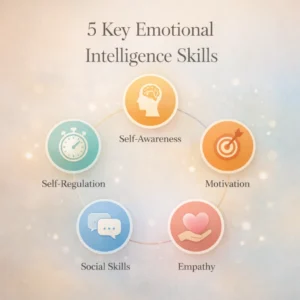
Emotional intelligence skills can be broken down into five key components:
- Self-awareness: Recognizing and understanding your own emotions, strengths, and weaknesses.
- Self-regulation: The ability to control and manage your emotional reactions, particularly in stressful situations.
- Motivation: Harnessing emotions to pursue goals and maintain enthusiasm in the face of challenges.
- Empathy: Understanding and being sensitive to the feelings of others, which aids in building strong interpersonal relationships.
- Social Skills: Effectively managing relationships, including communication, conflict resolution, and teamwork.
Each of these components contributes to how we interact with ourselves and others in both personal and professional environments.

Why Are Emotional Intelligence Skills Important?
The importance of emotional intelligence skills can be seen in various contexts. Here are a few reasons why they should not be overlooked:
Boosts Workplace Performance
Employees with high emotional intelligence often perform better in the workplace. According to studies, nearly 90% of top performers in the workforce possess strong emotional intelligence skills. These competencies enable workers to handle interpersonal issues more effectively, contribute positively to team dynamics, and adapt to changing conditions.
Enhances Communication
Being emotionally intelligent improves communication. Individuals who understand their emotions can express themselves more clearly and effectively. Moreover, by recognizing the emotional cues of others, they can tailor their communication style to foster better conversations, leading to improved collaboration.
Strengthens Relationships
Emotional intelligence skills help in nurturing personal and professional relationships. When individuals can empathize with others and recognize their emotional states, they build trust and rapport, which are fundamental for successful interactions.
Contributes to Leadership Effectiveness
Leaders who exhibit high emotional intelligence are often more inspiring and motivating to their teams. They can navigate conflicts, understand team dynamics, and create an inclusive work environment that encourages collaboration. This enhanced leadership effectiveness positively influences morale and alters organizational culture for the better.

How to Develop Emotional Intelligence Skills
While some people may naturally possess emotional intelligence skills, these competencies can also be nurtured and developed over time. Here are actionable steps to improve your emotional intelligence:
1. Practice Self-Reflection
Spend time reflecting on your emotional responses in various situations. Journaling about your feelings can help you identify patterns and triggers, enhancing your self-awareness.
2. Seek Feedback
Ask trusted colleagues, friends, or family members for input regarding your emotional reactions and behaviors. Constructive feedback can reveal blind spots in your emotional awareness.
3. Focus on Active Listening
Make a conscious effort to listen more than you speak. By focusing on understanding others’ emotions and thoughts, you can improve your empathetic abilities.
4. Manage Stress Effectively
Develop coping strategies to regulate your emotional responses to stressors. Techniques such as mindfulness, meditation, and deep breathing can help in maintaining composure and focus.
5. Participate in Team Activities
Engage in team-building activities that promote collaboration and communication. These experiences provide practical opportunities to practice and improve your social skills.
FAQs About Emotional Intelligence Skills
What is the difference between emotional intelligence and IQ?
Emotional intelligence involves managing emotions and understanding interpersonal dynamics, while IQ measures cognitive abilities such as problem-solving and logical reasoning.
Can emotional intelligence skills be learned?
Yes, emotional intelligence skills can be developed through self-reflection, feedback, and practice. Many resources, such as workshops or online courses, can also aid in this process.
How can organizations benefit from employees with high emotional intelligence?
Organizations can experience improved teamwork, increased employee satisfaction, better conflict resolution, and enhanced overall workplace culture when employees possess high emotional intelligence.
Is emotional intelligence more important than technical skills?
While both are important, emotional intelligence can significantly influence an individual’s ability to work well with others, thus affecting overall job performance and career advancement.






Be First to Comment