

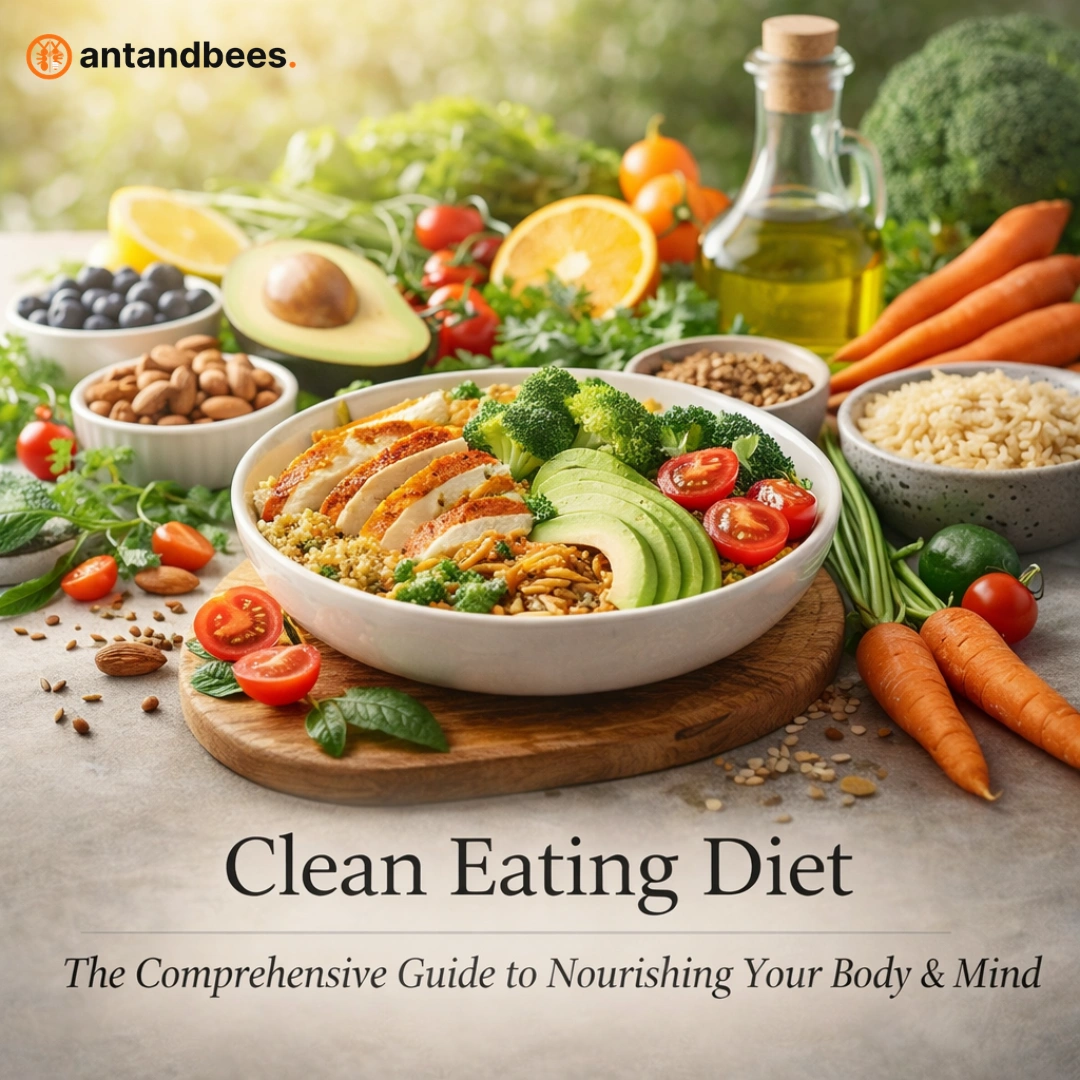
What Is a Clean Eating Diet?
A clean eating diet focuses on consuming whole, minimally processed foods that provide essential nutrients for optimal health. It emphasizes fresh fruits, vegetables, whole grains, lean proteins, and healthy fats while eliminating refined sugars, artificial ingredients, and heavily processed products. This dietary approach is not just a trend; it serves as a sustainable lifestyle choice to promote well-being.
The Benefits of a Clean Eating Diet
Improved Nutritional Value
One of the primary advantages of a clean eating diet is the nutritional density of the foods consumed. Whole foods are rich in vitamins, minerals, and fiber, contributing to better overall health. For example, fruits and vegetables provide antioxidants that combat oxidative stress, while whole grains offer sustained energy release.
Weight Management
Many people turn to a clean eating diet for effective weight management. By focusing on nutrient-dense foods, you may experience increased satiety, which helps control hunger and reduce calorie intake. Additionally, whole foods typically have fewer calories compared to their processed counterparts, making it easier to maintain or lose weight.
Enhanced Mental Clarity
Studies suggest a strong link between diet and cognitive function. A clean eating diet improves brain health by providing essential fatty acids, antioxidants, and B vitamins. These nutrients support mental clarity, concentration, and memory retention, helping you stay focused throughout the day.
How to Implement a Clean Eating Diet
Start with Whole Foods
To transition to a clean eating diet, prioritize whole foods. Look for:
- Fresh fruits and vegetables
- Whole grains like quinoa, brown rice, and oats
- Lean proteins such as chicken, turkey, fish, beans, and legumes
- Healthy fats from sources like avocados, nuts, and olive oil
Meal Structuring
Effective meal structuring is critical for adhering to a clean eating diet. Consider:
- Plan Your Meals: Create a weekly menu to avoid impulse purchases. This will also aid in preparing meals ahead of time.
- Portion Control: Use smaller plates to help manage serving sizes, ensuring you consume appropriate amounts.
- Hydrate: Drink plenty of water throughout the day to keep your body hydrated. Herbal teas and infused waters are excellent alternatives to sugary drinks.
For a detailed approach to meal planning, explore our guide on meal structuring.
Read Labels
When purchasing packaged foods, read labels carefully. Look for items with minimal ingredients and avoid anything with added sugars, preservatives, and artificial additives. Choosing brands that prioritize whole ingredients can facilitate adherence to a clean eating diet.
Common Challenges and How to Overcome Them
Social Situations
It can be challenging to maintain a clean eating diet in social settings where unhealthy foods are prevalent. To stay on track:
- Prepare Snacks: Bring healthy snacks or meals to gatherings.
- Select Wisely: Choose healthier options at restaurants or potlucks.
- Communicate: Inform friends and family about your dietary choices; they may offer support or help you find suitable options.
Overcoming Cravings
Cravings for processed and sugary foods are common. To combat this:
- Opt for Substitutes: If you crave sweets, try fruit. For salty snacks, consider nuts or popcorn.
- Practice Mindfulness: Pay attention to your hunger cues and eat slowly, savoring each bite.
Frequently Asked Questions
What foods should I avoid on a clean eating diet?
To adhere to a clean eating diet, avoid refined sugars, processed snacks, fast food, and items containing artificial additives.
Can I still eat out while following a clean eating diet?
Yes, you can still dine out. Choose restaurants that offer fresh, whole food options, and don’t hesitate to request modifications to suit your dietary needs.
Is a clean eating diet suitable for everyone?
Generally, a clean eating diet can be beneficial for most people, but it is crucial to adapt it to your individual health needs. Consult a healthcare professional if you have specific dietary concerns.




Be First to Comment