

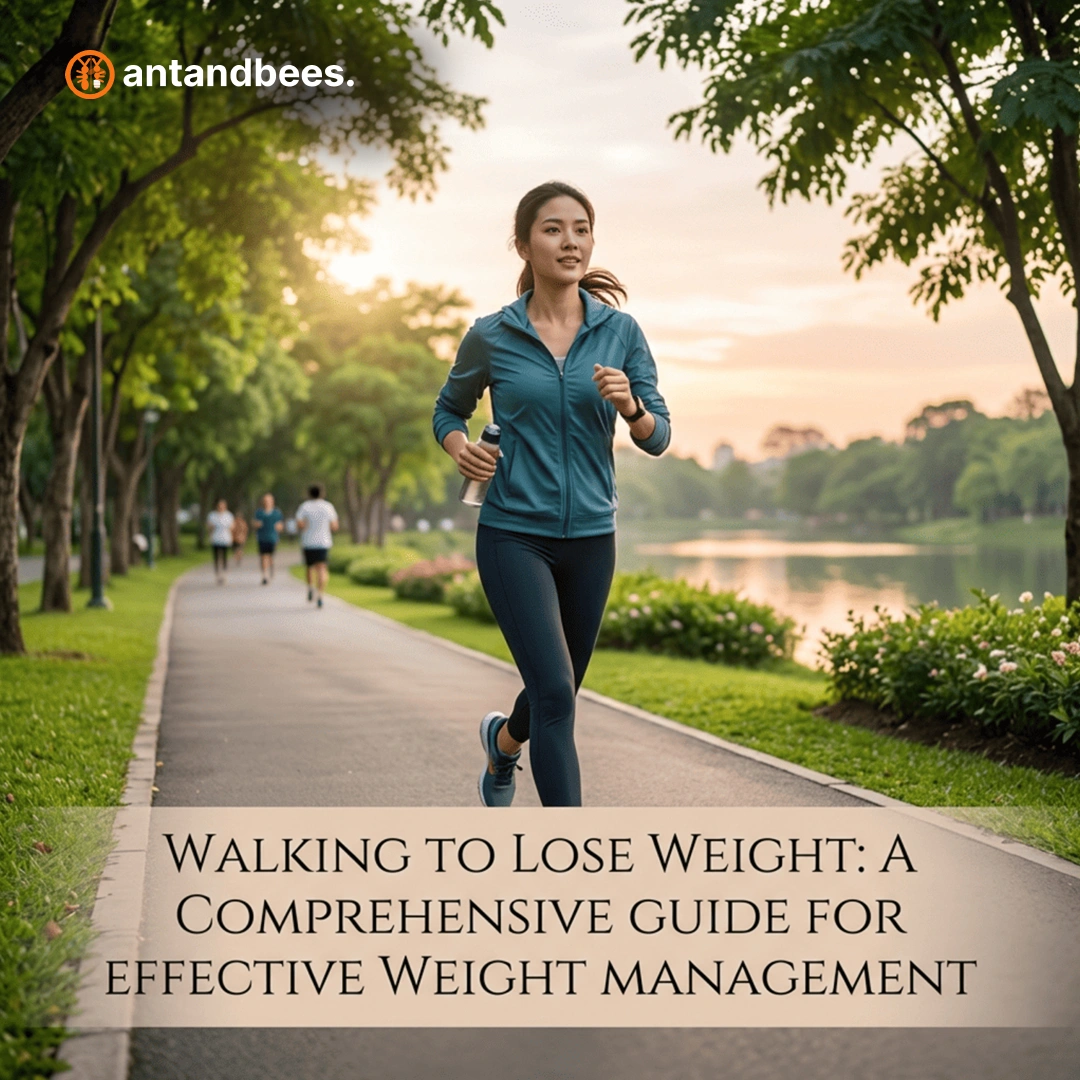
Walking is an accessible and effective method for shedding unwanted pounds. This straightforward exercise can be seamlessly integrated into daily routines, making it one of the most popular choices for weight loss. This guide will delve into the various benefits of walking to lose weight, provide actionable tips, and address common questions.
Benefits of Walking for Weight Loss
1. Burns Calories Efficiently
Walking modifies your energy expenditure, helping you create a calorie deficit. An average person can burn approximately 150-200 calories per hour by walking at a brisk pace. While this may vary based on factors such as weight, speed, and terrain, the ability to effectively burn calories makes walking a valuable tool in any weight loss plan.
2. Boosts Metabolism
Regular walking increases your basal metabolic rate (BMR), which refers to the number of calories your body burns at rest. Incorporating consistent walking sessions into your routine can help elevate your metabolism, contributing to long-term weight loss and management.
3. Enhances Mental Well-Being
Walking not only benefits physical health but also has significant effects on mental well-being. Regular walking can improve mood, reduce stress, and enhance cognitive function. A positive mental state often correlates with better motivation and adherence to weight loss goals.
4. Low-Impact Exercise
Walking is a low-impact exercise, making it suitable for individuals of all fitness levels. It is particularly beneficial for those with joint issues or those beginning their fitness journey. This accessibility encourages consistency, which is vital for sustainable weight loss.
Effective Walking Strategies for Weight Loss
1. Establish Daily Walking Objectives
To maximize the benefits of walking, aim for a minimum of 30 minutes per day. Setting benchmarks, such as reaching 10,000 steps daily, can help in monitoring your progress. Consider utilizing fitness trackers or mobile apps to keep a record of your steps and maintain motivation.
2. Vary Your Walking Routine
Incorporating different terrains and routes can enhance your walking experience and challenge your body. Try walking on hills or uneven surfaces to engage various muscle groups, increasing the intensity and caloric burn.
3. Incorporate Interval Walking
Interval walking consists of alternating between periods of brisk walking and moderate pace. For instance, walk rapidly for two minutes and then slow down for one minute. This method can increase the overall intensity of your workout, leading to greater calorie burns.
4. Mind Your Posture
Proper walking posture can enhance your efficiency and prevent injuries. Maintain an upright posture, engage your core, and swing your arms. This alignment promotes better calorie burning as you walk.
Tips for Staying Motivated
1. Find a Walking Buddy
Walking with a partner can make the exercise more enjoyable. Not only does this provide social interaction, but it also helps you hold each other accountable.
2. Explore New Locations
Changing your walking environment can keep the activity fresh and engaging. Visit local parks, trails, or urban areas to explore different scenery.
3. Pair Walking with Technology
Listening to music, podcasts, or audiobooks while walking can make the exercise feel less like a chore and more like leisure time. This combination can enhance the experience, encouraging longer durations of walking.
4. Track and Celebrate Your Progress
Logging your walking achievements can provide a sense of accomplishment. Set monthly goals and reward yourself for reaching them, whether through new gear or a special treat.
Frequently Asked Questions About Walking to Lose Weight
How many steps should I walk daily to lose weight?
For effective weight loss, aim for 10,000 steps daily, which is roughly equivalent to five miles. However, even achieving 5,000-7,000 steps can promote weight loss if combined with a balanced diet.
How long does it take to see results from walking?
Consistency is key. Typically, individuals can start noticing improvements within 4 to 6 weeks. Combine walking with a healthy diet for optimal results.
Should I walk in the morning or evening?
The best time to walk ultimately depends on your personal schedule and preferences. Morning walks can increase energy levels for the day ahead, while evening walks can be beneficial for winding down.
Can I lose belly fat by walking?
While targeted fat loss isn’t possible, consistent walking can contribute to a decrease in overall body fat, including belly fat. Combining regular walking with dietary adjustments will enhance your progress to lose belly fat effectively.
For more information on how to enhance your weight loss journey, consider checking out our in-depth resource on weight loss tips, evaluating a diet for weight loss, and selecting optimal weight loss foods. Additionally, explore strategies to lose belly fat and learn about intermittent fasting for weight loss for a holistic approach to managing your health.






Be First to Comment