

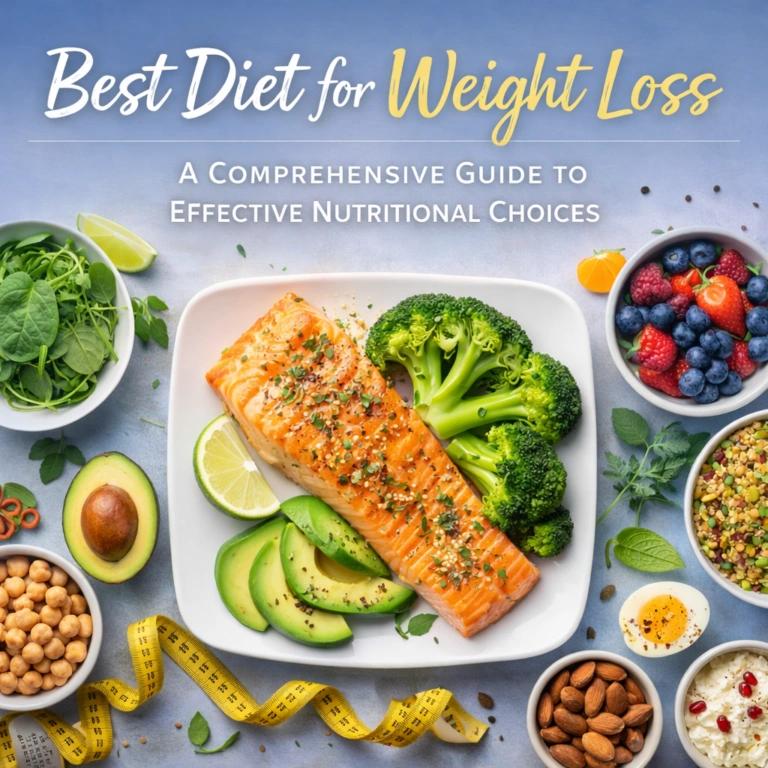
When it comes to shedding pounds and achieving your fitness goals, understanding the best diet for weight loss can drastically improve your journey. The right diet not only helps in reducing weight but also promotes overall health and well-being.
Key Principles of the Best Diet for Weight Loss
To determine the best diet for effective weight loss, consider the following principles:
1. Caloric Deficit
Achieving a caloric deficit is essential for weight loss. This means consuming fewer calories than your body burns each day. An effective strategy is to track your daily caloric intake and gradually decrease it while ensuring you still receive essential nutrients.
2. Nutrient Density
Focus on foods that provide a high amount of nutrients for fewer calories. Vegetables, fruits, lean proteins, whole grains, and healthy fats should be the mainstay of your diet. These foods not only help in feeling fuller for longer but also reduce the likelihood of overconsumption of high-calorie items.
Various Dieting Options
Different dieting methods can cater to various lifestyles and preferences. Here are some popular diets known for effective weight loss:
1. Mediterranean Diet
The Mediterranean diet emphasizes whole foods like fruits, vegetables, whole grains, nuts, and olive oil. Research indicates that this diet can lead to significant weight loss and improved heart health.
2. Low-Carb Diets
Low-carb diets, such as the ketogenic diet, restrict carbohydrate intake and emphasize protein and healthy fats. Studies show that these diets can help people lose weight rapidly in the short term.
3. Intermittent Fasting
Intermittent fasting focuses on when you eat rather than what you eat. This approach can improve metabolic health and assist in weight loss by reducing overall calorie intake.
4. Whole30
Whole30 is a 30-day program that eliminates sugar, alcohol, grains, dairy, and legumes. It encourages readers to focus on whole foods and can help reset unhealthy eating habits.
Incorporating a Balanced Diet
While pursuing weight loss, maintaining a balanced diet is fundamental. A balanced diet includes carbohydrates, proteins, fats, vitamins, and minerals. It facilitates not just weight loss but also overall health. Understanding what constitutes a wholesome nutritional plan can help in sticking to any dietary regimen. To dive deeper into this topic, visit our guide on understanding what constitutes a wholesome nutritional plan.
The Role of Exercise
Diet and exercise are both crucial in attaining weight loss goals. Engaging in regular physical activity enhances the effects of dietary changes:
Strength Training
Incorporating strength training into your fitness routine can increase muscle mass, which in turn boosts metabolism. A comprehensive guide on strength training for beginners can help you get started safely and effectively.
Cardiovascular Exercise
Cardio exercises, such as running, cycling, or swimming, burn calories and improve heart health. Aim for at least 150 minutes of moderate-intensity aerobic activity each week.
Combining Both Approaches
Combining both dietary changes and physical activity yields the best results. The synergy of a caloric deficit through diet and increased calorie expenditure via exercise ensures sustainable results. For more tips on achieving your weight loss goals, check out our article on sustainable results.
FAQs About the Best Diet for Weight Loss
What is the best diet for quick weight loss?
The best diet for quick weight loss often includes low-carb or ketogenic diets, which significantly reduce carbohydrate intake leading to rapid initial weight loss through water loss and reduced hunger.
How do I sustain my weight loss?
Sustaining weight loss requires a combination of maintaining a healthy diet and regular physical activity. Focus on long-term lifestyle changes rather than temporary diets.
Can I lose weight without exercise?
Yes, you can lose weight without exercise by creating a caloric deficit through diet alone. However, incorporating physical activity can expedite results and improve overall health.
Should I track my food intake?
Tracking your food intake can help increase awareness of your eating habits and keep you accountable. This practice can be beneficial, especially while adjusting to a new diet regimen.






Be First to Comment