

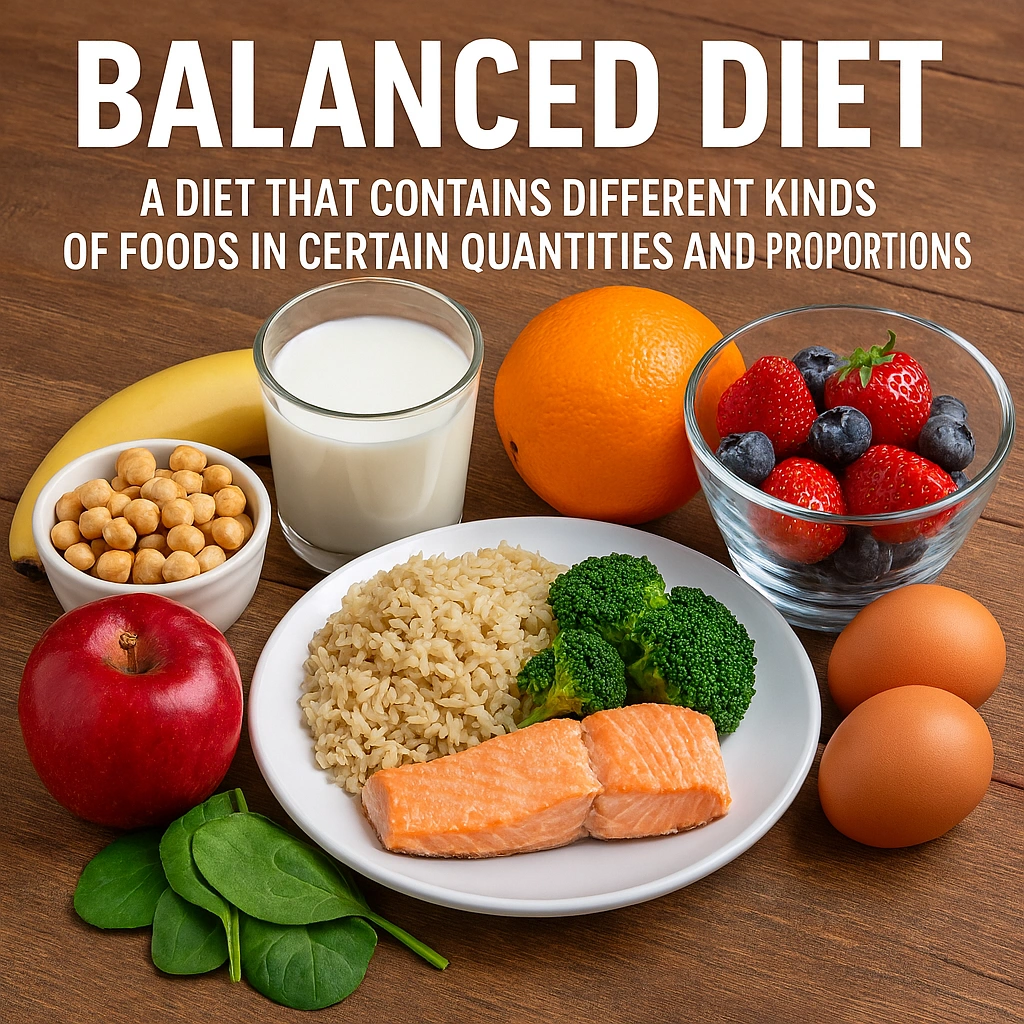
A balanced diet definition refers to a dietary choice that provides all the essential nutrients your body needs to function effectively. It includes a variety of foods in the right proportions to ensure optimal health and well-being. The key is to maintain a harmonious intake of macronutrients—carbohydrates, proteins, and fats—alongside critical vitamins and minerals.
What Constitutes a Balanced Diet?
The Components of a Balanced Diet
A balanced diet is not just about traditional food groups but is designed to meet the individual nutritional needs based on age, gender, activity level, and health status. Here are the primary components:
-
Carbohydrates: These are the body’s main energy source. They should comprise about 45–65% of your daily caloric intake. Focus on complex carbohydrates like whole grains, fruits, and vegetables.
-
Proteins: Essential for growth, repair, and maintenance of body tissues. Aim for 10–35% of your daily calories to come from protein sources such as lean meats, fish, eggs, beans, and legumes.
-
Fats: Necessary for cell structure and energy, fats should make up about 20–35% of your daily caloric intake. Prioritize unsaturated fats from sources like avocados, nuts, and olive oil while limiting saturated and trans fats.
-
Vitamins and Minerals: These micronutrients support various bodily functions and must be included in sufficient amounts through a diverse diet. Leafy greens, nuts, and fruits are excellent sources.
-
Water: While not classified as a macronutrient, hydration is critical for maintaining health and well-being. Aim to drink adequate fluids throughout the day.
Building Your Balanced Plate
Creating a balanced plate may seem daunting, but it can be simplified through visual aids. Use the following guidelines to assemble a well-rounded meal:
-
Half your plate should be fruits and vegetables: Fill your plate with a variety of colors and types to maximize nutrient intake.
-
One-quarter should be whole grains: Brown rice, quinoa, and whole grain bread are excellent options.
-
One-quarter should consist of protein: Incorporate lean meats, fish, tofu, or legumes.
-
Add a small amount of healthy fat: Olive oil for dressing or a handful of nuts can add beneficial fats.
The Benefits of Adhering to a Balanced Diet
Maintaining a balanced diet offers numerous health benefits:
-
Weight Management: Proper nutrition helps in maintaining a healthy weight by balancing calorie intake and expenditure.
-
Reduced Risk of Chronic Diseases: A diet rich in fruits, vegetables, and whole grains is linked to a lower risk of heart disease, diabetes, and certain cancers.
-
Improved Mental Health: Nutrition impacts mental well-being. A balanced diet can enhance mood and cognitive functions.
-
Boosted Immune System: Adequate intake of vitamins and minerals supports immune health, helping protect against infections.
Common Questions Related to Balanced Diet Definition
What is the difference between a balanced diet and a healthy diet?
A balanced diet includes all food groups in proper proportions, while a healthy diet focuses on nutrient-dense foods. Both concepts overlap but emphasize different aspects of nutrition.
How do I know if I am following a balanced diet?
Monitoring your food intake and ensuring you consume various foods from each food group can indicate adherence to a balanced diet. Consult a registered dietitian for personalized assessments and guidance.
Can a balanced diet vary by individual?
Absolutely. A balanced diet should be tailored to individual needs based on various factors like age, health conditions, physical activity, and personal preferences.
Practical Tips for Maintaining a Balanced Diet
-
Meal Prep: Planning and preparing meals in advance helps you stick to your dietary goals.
-
Mindful Eating: Pay attention to your hunger cues and avoid distractions during meals. This helps regulate portions naturally.
-
Incorporate Variety: Don’t fall into repetitive eating patterns. Experiment with different foods and recipes to keep meals interesting.
-
Limit Processed Foods: Minimize the intake of high-calorie, low-nutrient processed foods to stay aligned with your balanced diet objectives.
-
Stay Informed: Educate yourself on nutrition and stay updated on dietary guidelines to make informed food choices.
In a world saturated with dietary fads and transient eating trends, understanding the balanced diet definition remains a cornerstone of nutrition education. Committing to a balanced diet fosters a comprehensive approach to health that supports not just the body but enhances overall quality of life.




Be First to Comment