

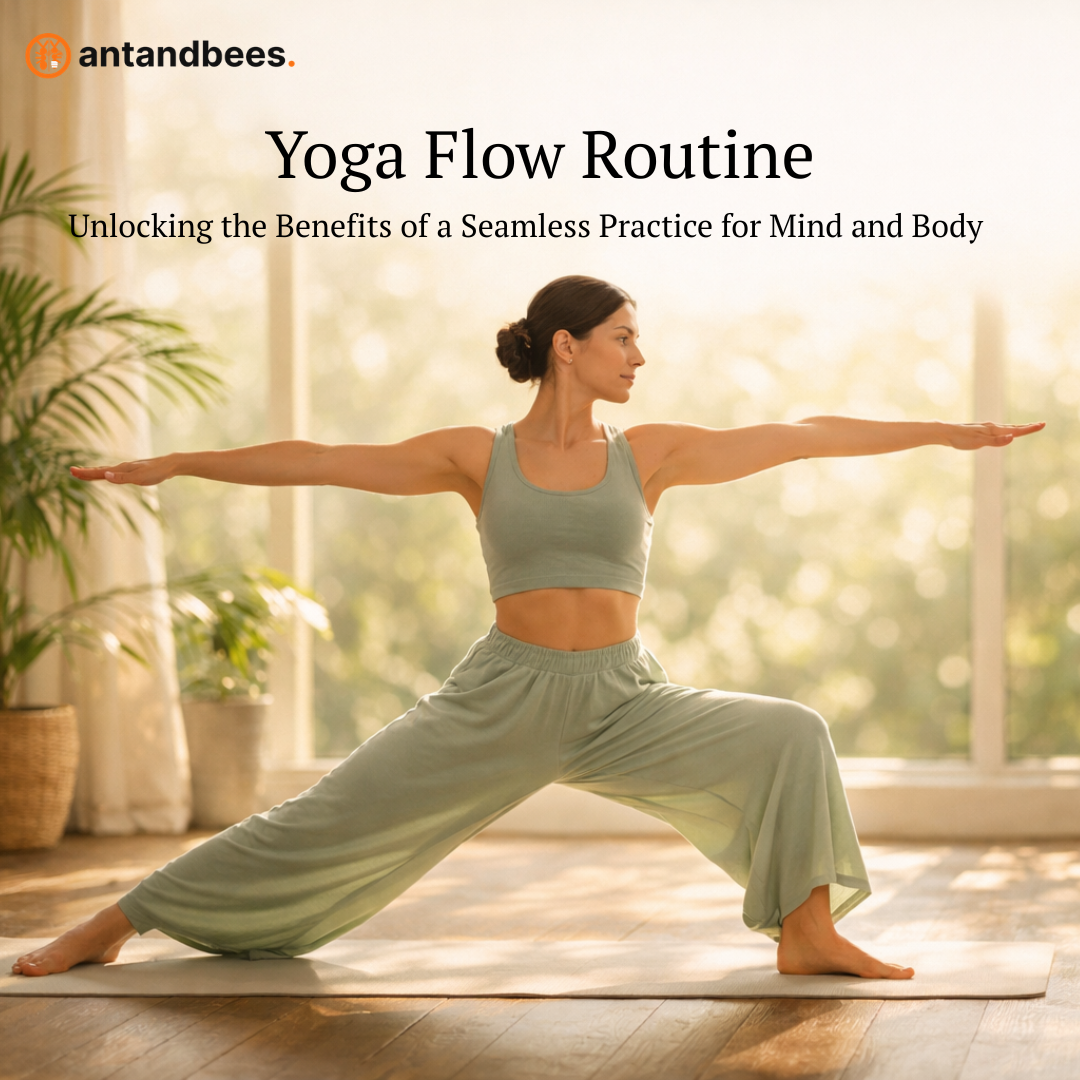
What is a Yoga Flow Routine?
A yoga flow routine consists of a series of postures seamlessly connected through breath, creating a fluid movement. This approach promotes mindfulness, enhances flexibility, and strengthens muscles. Practitioners often find themselves deeply engaged, feeling both challenged and rejuvenated as they transition between poses. Achieving a yoga flow can be an enriching experience that transforms your practice.
Benefits of Practicing a Yoga Flow Routine
A consistent yoga flow routine offers numerous advantages for both physical and mental well-being:
Physical Benefits
-
Improved Flexibility
- Regularly practicing a flow routine significantly increases your flexibility over time. Each pose gently stretches various muscle groups, contributing to greater overall mobility.
-
Increased Strength
- Dynamic transitions between poses help build muscle strength, particularly in the core, arms, and legs. This can lead to better posture and reduced risk of injury.
-
Enhanced Balance and Coordination
- Many yoga poses demand balance and coordination. Regular practice improves these skills, benefiting overall physical performance and functional movement.
Mental Benefits
-
Mindfulness and Presence
- A yoga flow encourages a focus on breath and movement, fostering a meditative state of mind. This mindfulness practice can lead to improved mental clarity and focus.
-
Stress Relief
- As you flow through your routine, you’ll notice a significant reduction in stress levels. The mindful aspect of yoga is linked to lowering cortisol levels, promoting a sense of calm. For more techniques on stress relief, explore our article on yoga for stress relief.
-
Emotional Regulation
- Engaging in a flow routine enhances emotional resilience. The combination of breath regulation and movement helps regulate emotions and cultivate a positive mental space.
How to Create an Effective Yoga Flow Routine
Developing a personalized yoga flow routine can be simple and enjoyable. Here are some effective steps to guide your practice:
Step 1: Define Your Intentions
Before you start, take a moment to reflect on what you want to achieve. Are you seeking relaxation, strength, or flexibility? Setting clear intentions helps focus your practice.
Step 2: Warm-Up
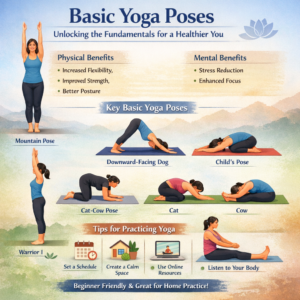
Start with gentle movements to warm up your muscles and prepare your body. Incorporating basic yoga poses such as Cat-Cow, Downward Dog, or Sun Salutations lays a strong foundation for your routine. For more foundational poses, check out our guide on yoga poses.
Step 3: Incorporate Flow Sequences
Select a few sequences that align with your goals. A simple example could be:
-
Sun Salutation A:
- Tadasana (Mountain Pose)
- Urdhva Hastasana (Upward Salute)
- Uttanasana (Forward Fold)
- Ardha Uttanasana (Half Forward Fold)
- Chaturanga Dandasana (Four-Limbed Staff Pose)
- Urdhva Mukha Svanasana (Upward-Facing Dog)
- Adho Mukha Svanasana (Downward-Facing Dog)
-
Warrior Flow:
- Virabhadrasana I (Warrior I)
- Virabhadrasana II (Warrior II)
- Parsvakonasana (Side Angle Pose)
- Utthita Trikonasana (Extended Triangle Pose)
Step 4: Cool Down
Conclude your practice with restorative poses, such as Child’s Pose or Supine Spinal Twist, to promote relaxation. Consider incorporating a few minutes of meditation or breathing exercises to deepen the relaxation effect.
Step 5: Reflect and Adjust
After each session, take a moment to reflect on how the flow felt. Consider adjustments to improve your comfort and engagement during practice.
Frequently Asked Questions
What is the difference between a yoga flow routine and traditional yoga?
A traditional yoga practice often focuses on holding poses for extended periods, while a yoga flow routine emphasizes movement and connection between poses, encouraging a more dynamic experience.
How long should a yoga flow routine last?
Most yoga flow routines can range from 20 to 60 minutes. Beginners can start with shorter sessions and gradually extend to longer practices as they become more comfortable.
Can I practice a yoga flow routine at home?
Absolutely! Many practitioners find that creating a home yoga routine provides flexibility and allows them to tailor their practice to their preferences. For effective strategies, check our article about home workout routine.

Be First to Comment