


Understanding Stress and Its Impact
Stress is a natural response of the body to perceived threats, but prolonged exposure can lead to detrimental effects on health, productivity, and relationships. Recognizing the difference between acute stress and chronic stress is crucial. Acute stress is short-term and can be beneficial, while chronic stress can lead to anxiety, depression, and serious health issues.
Implementing effective stress management tips can significantly improve your quality of life and help maintain emotional well-being.
Top Stress Management Tips for Everyday Life
1. Prioritize Self-Care
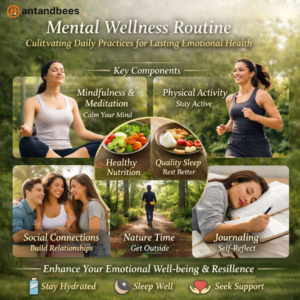
Engaging in self-care activities is vital for stress reduction. Activities such as exercise, proper nutrition, and adequate sleep can contribute positively to your mental health.
- Exercise: Aim for at least 30 minutes of moderate physical activity most days of the week. Exercises like walking, yoga, or cycling can stimulate the release of endorphins, the body’s natural stress relievers.
- Nutrition: A balanced diet rich in fruits, vegetables, whole grains, and lean proteins can enhance mood and energy levels.
- Sleep: Ideally, adults should get 7-9 hours of quality sleep each night. Establishing a consistent sleep schedule can dramatically decrease stress levels.
2. Practice Mindfulness and Meditation
Mindfulness involves being fully present and engaged in the moment. Practicing mindfulness can reduce the mental clutter that contributes to stress.
- Meditation Techniques: Start with just five minutes a day. Gradually increase your time as you grow more comfortable. Consider guided meditations available through apps or online platforms.
- Breathing Exercises: Simple breathing techniques, like the 4-7-8 method, can help calm the mind. Inhale for four seconds, hold for seven seconds, and exhale for eight seconds.
3. Develop Organizational Skills
Disorganization can lead to increased anxiety and stress. Implementing better organizational skills can alleviate these feelings.
- To-Do Lists: Use checklists to prioritize tasks and break larger projects into manageable steps. This not only keeps you organized but also provides a sense of accomplishment as you tick off completed tasks.
- Time Management: Create a realistic schedule that balances work, personal time, and relaxation. Tools like calendars and planning apps can be beneficial.
4. Build a Support Network
Having a supportive community is essential for stress management. Surround yourself with positive influences who understand your situation.
- Communicate Openly: Share your thoughts and feelings with friends, family, or support groups. This connection can provide new perspectives and lessen feelings of isolation.
- Seek Professional Help: If stress becomes overwhelming, consider speaking with a mental health professional for tailored advice and support.
Effective Stress Management Techniques
5. Limit Exposure to Stressors
Identifying and reducing exposure to stressors can be one of the most proactive stress management tips.
- Media Consumption: Limit exposure to distressing news or social media. Consider setting specific times to check news updates instead of constantly scrolling.
- Work Environment: If work is a primary source of stress, explore potential changes. This could involve discussing workload adjustments with your supervisor or assessing work-life boundaries.
6. Engage in Hobbies
Finding joy in hobbies can be a powerful way to combat stress. Whether it’s painting, gardening, or playing an instrument, hobbies offer a distraction from daily pressures.
- Schedule Time for Hobbies: Carve out dedicated time in your week to engage in activities you love. This keeps you motivated and encourages relaxation.
7. Practice Gratitude
Focusing on gratitude can shift your mindset from negative to positive.
- Gratitude Journals: Maintain a journal where you document things you are grateful for each day. This simple practice can enhance overall life satisfaction and reduce stress levels.
Frequently Asked Questions
What are simple stress management tips to implement at work?
- Take regular breaks, practice deep breathing, and create a dedicated workspace that minimizes distractions. Staying organized also promotes a better work atmosphere.
How can I reduce stress naturally?
- Engage in regular physical activity, make time for relaxation techniques such as yoga or meditation, and prioritize a balanced diet.
What role does social support play in stress management?
- Social support is crucial as it provides emotional assistance, practical help, and a sense of belonging, which can significantly mitigate stress levels.
Are there any quick stress relief techniques I can use during the day?
- Yes, quick techniques include deep breathing exercises, taking a short walk, or practicing mindfulness for a few moments can instantly lower stress.

Be First to Comment