

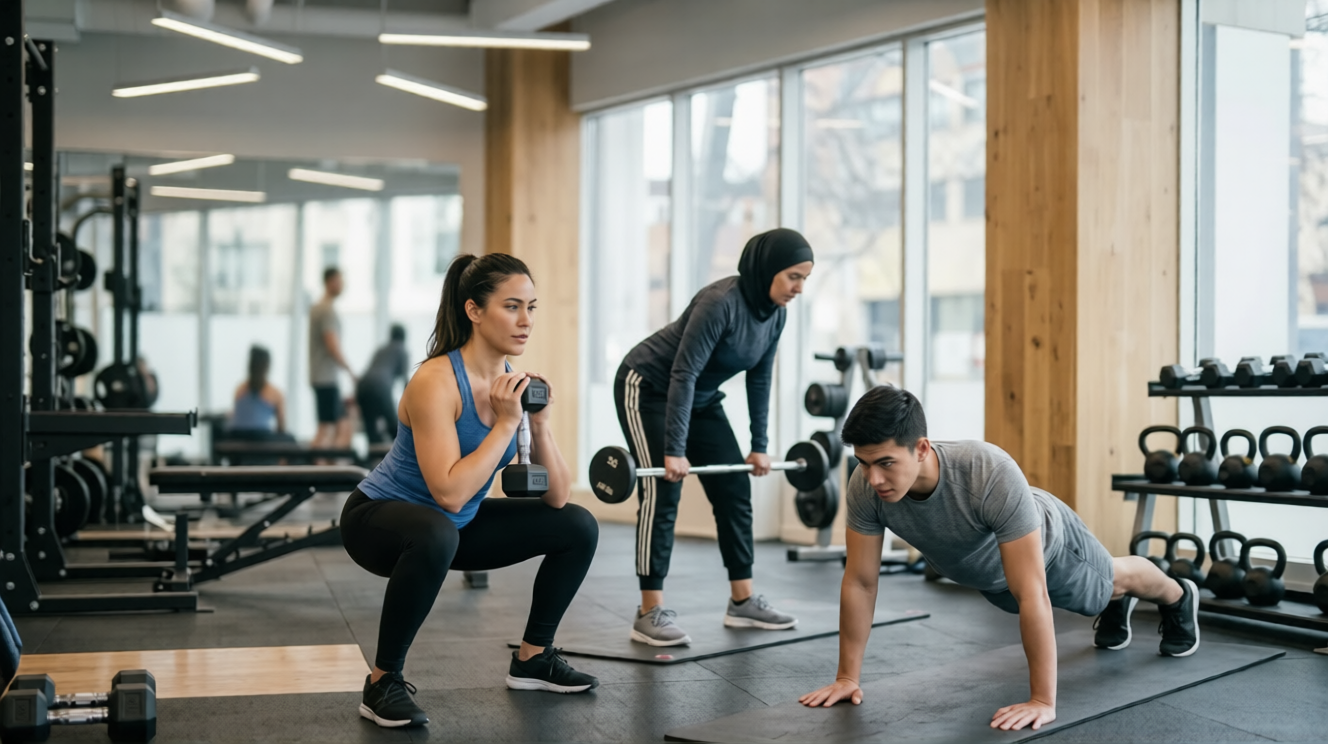
What is Strength Training?
Strength training involves exercises that improve your strength and increase muscle mass. By using resistance, whether through weights, machines, or body-weight exercises, you stimulate muscle growth and enhance overall fitness. For beginners, understanding the basics of strength training is crucial to establish a solid foundation.
Benefits of Strength Training for Beginners
Improved Muscle Strength and Size
Engaging in strength training helps build muscle size and strength. As a beginner, focusing on compound movements—like squats and bench presses—engages multiple muscle groups, leading to better muscle development.
Enhanced Metabolic Rate
Increasing your muscle mass can boost your resting metabolic rate. This means you burn more calories even when you are not exercising, aiding in weight management and body composition.
Improved Bone Density
Strength training increases bone density. This is especially critical as you age, as stronger bones can help prevent osteoporosis and fractures.
Enhanced Joint Stability
Developing strong muscles around your joints improves stability and reduces the risk of injury. This is vital for those new to fitness who wish to stay active and pain-free.
Getting Started with Strength Training
Assess Your Fitness Level
Before starting a strength training regimen, assess your current fitness level. This helps tailor your workouts appropriately. Consider consulting a fitness professional for an assessment if you’re unsure.
Setting Realistic Goals
Setting achievable goals helps maintain motivation. Whether your goal is to build muscle, enhance endurance, or lose weight, having clear objectives will guide your training.
Selecting the Right Equipment
For beginners, investing in a few essential pieces of equipment is wise. Dumbbells, resistance bands, and a stability ball are excellent starters. Many fitness centers also offer a variety of machines that can facilitate proper form.
Fundamental Strength Training Exercises for Beginners
Upper Body Exercises
- Push-Ups: Works the chest, shoulders, and triceps. Start with modified versions if necessary.
- Dumbbell Rows: Develops back strength. Bend at the waist and pull the dumbbell towards your waist.
Lower Body Exercises
- Squats: A fundamental leg exercise that targets thighs and glutes. Practice without weights initially.
- Lunges: Effective for strengthening legs and improving balance. Start with body-weight lunges before adding weights.
Core Exercises
- Planks: Engages the core effectively. Hold the position for as long as you can, gradually increasing the time.
- Russian Twists: Strengthens obliques and core stability. Use a light weight or a medicine ball.
Creating an Effective Strength Training Program
Structure Your Workouts
A well-rounded program should include:
- Frequency: Aim for at least 2-3 strength training sessions per week.
- Sets and Reps: Start with 2-3 sets of 8-12 repetitions per exercise.
- Rest Intervals: Rest for 30-60 seconds between sets to allow muscles to recover.
Follow Proper Form
Proper form is critical to prevent injury and maximize effectiveness. Focus on technique over weight. Initially, it may be beneficial to practice movements with a trainer or instructor.
Gradual Progression
As you become more comfortable with strength training, gradually increase the weight or resistance. This progressive overload approach helps build strength continuously.
Nutritional Considerations
Protein Intake
Increasing your protein intake supports muscle recovery and growth. Include sources such as chicken, fish, beans, and legumes in your diet.
Hydration
Hydration is vital for optimal performance and recovery. Drink water before, during, and after workouts.
Balanced Diet
Maintain a balanced diet rich in fruits, vegetables, whole grains, and healthy fats to support your training efforts.
Frequently Asked Questions
How often should beginners do strength training?
Beginners should aim for 2-3 sessions per week, focusing on rest days between workouts to allow muscle recovery.
Can I strength train at home?
Yes! Many effective body-weight exercises and minimal equipment can be utilized for a home workout routine.
What should I do if I experience pain during exercise?
If you experience pain, stop the exercise immediately. Assess your form and reduce the weight if necessary. Consulting a medical professional or trainer is recommended if pain persists.
How long before I see results from strength training?
Results vary by individual, but many beginners notice improvements in strength and muscle tone within 4-8 weeks of consistent training.
Is stretching important in strength training?
Yes, stretching enhances flexibility, reduces muscle tightness, and minimizes injury risk. Incorporate stretching before and after your workouts.





Be First to Comment