

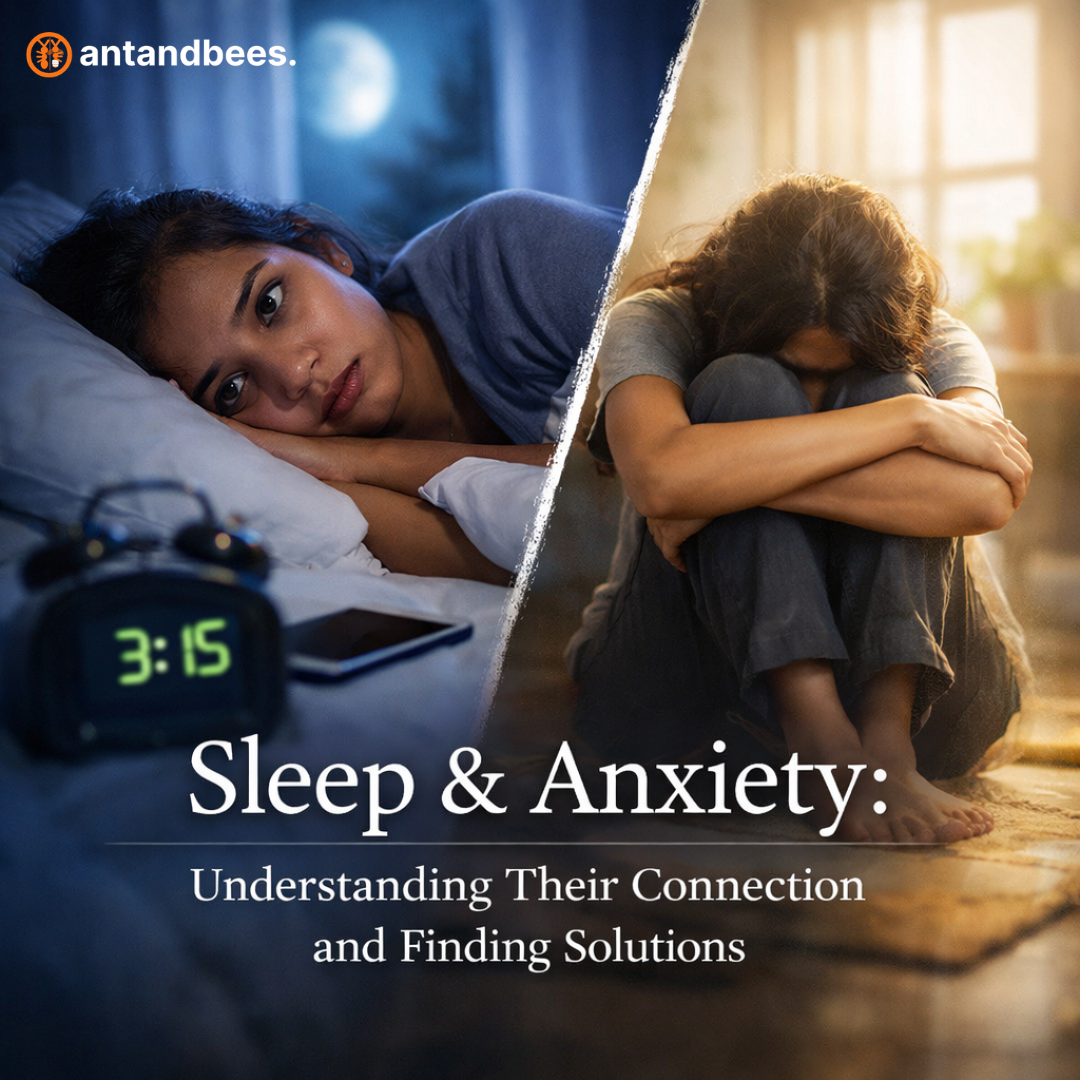
The Relationship Between Sleep and Anxiety
Sleep and anxiety are intricately linked, with one often exacerbating the other. While inconsistent sleep patterns can lead to increased anxiety, the feelings of anxiety can also disrupt sleep. This complex relationship highlights the importance of addressing both issues concurrently to enhance overall mental health.
How Anxiety Affects Sleep Quality
When anxious thoughts take over, the body can enter a state of heightened alertness, making it challenging to unwind. Here are some common effects of anxiety on sleep:
- Insomnia: Many individuals experiencing anxiety find it difficult to fall asleep or stay asleep, leading to chronic insomnia.
- Nightmares: Anxiety can trigger distressing dreams, waking individuals up in the middle of the night.
- Sleep Disturbances: Frequent awakenings can leave people feeling fatigued and exacerbated the following day.
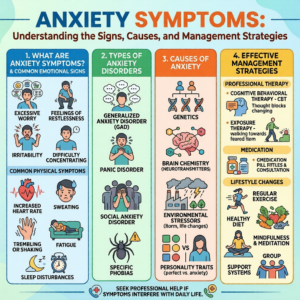
For those seeking to understand the emotional symptoms associated with anxiety, exploring signs, causes, and management strategies can offer valuable insights. Learn more about anxiety symptoms and their impact on both mental health and sleep.
The Impact of Sleep on Anxiety Levels
Conversely, poor sleep can amplify feelings of anxiety, creating a vicious cycle. Lack of restorative sleep may contribute to heightened emotional reactions and stress response in daily situations. Here are some implications of insufficient sleep on anxiety:
- Increased Sensitivity to Stress: Sleep deprivation can lower the threshold for stress, making everyday challenges seem overwhelming.
- Cognitive Impairments: Sleep plays a crucial role in cognitive function; lack of it can impair decision-making and problem-solving capabilities.
- Physical Health Decline: Poor sleep can weaken the immune system and lead to heightened physical health problems, further feeding anxiety concerns.
Effective Strategies to Manage Sleep and Anxiety
To effectively tackle both sleep and anxiety, incorporating a variety of strategies into your daily routine is essential. Here are some practical actions to consider:
1. Establish a Consistent Sleep Schedule
- Aim for a regular bedtime and wake-up time to regulate your body’s internal clock.
- Create a calming pre-sleep routine to signal your body that it’s time to wind down.
2. Optimize Your Sleep Environment
- Ensure your bedroom is dark, cool, and quiet to enhance sleep quality.
- Consider using white noise machines or earplugs to avoid disruptions.
3. Develop Relaxation Techniques
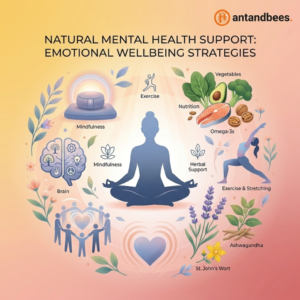
Practices such as mindfulness and meditation can effectively reduce anxiety levels. Activities that promote calmness include:
- Deep Breathing Exercises: Take slow, deep breaths to create a sense of peace.
- Progressive Muscle Relaxation: Tense and relax muscle groups in your body systematically to relieve tension.
For more in-depth guidance on using mindfulness strategies, explore this resource on meditation for anxiety.
4. Engage in Regular Physical Activity
Exercise encourages the release of endorphins and can significantly improve mental health. Aim for at least 30 minutes of moderate aerobic activity most days of the week. Not only does it help reduce anxiety, but regular exercise also improves sleep quality. For insights on how physical fitness influences mental health, visit our page on exercise and mental health.
5. Seek Professional Help
If anxiety or sleep disturbances persist, consulting with a mental health professional can offer tailored strategies and treatment options. Learning about management strategies can provide a framework for moving forward.
FAQs About Sleep and Anxiety
What can I do if anxiety keeps me awake at night?
Establish a bedtime routine that incorporates relaxation techniques such as reading, gentle yoga, or meditation. If you find yourself unable to sleep, get out of bed and engage in a quiet activity until you feel tired.
How much sleep do I need to reduce anxiety?
Most adults require between 7 to 9 hours of sleep per night. Adequate sleep can aid in lowering anxiety levels, enhancing your emotional well-being and overall health.
Are there natural remedies for anxiety-related sleep issues?
Many individuals find relief through herbal supplements such as chamomile or valerian root. However, it is advisable to consult with a healthcare provider before trying new remedies.

Be First to Comment