

Understanding Anxiety: What It Is and How It Affects You
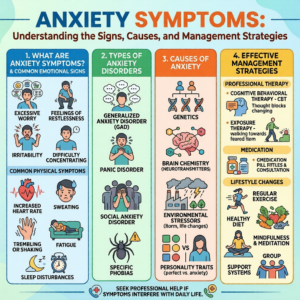
Anxiety is a common mental health condition characterized by persistent feelings of worry, fear, or unease. It can manifest physically, creating symptoms such as increased heart rate, muscle tension, and fatigue. Many people experience anxiety differently, and understanding its signs can help in managing its effects effectively.
For a more in-depth understanding of anxiety symptoms and management strategies, visit our anxiety page.
The Intersection of Anxiety and Meditation
As research continues to unveil the profound benefits of meditation, one area of focus has been its effectiveness in addressing anxiety. Meditation for anxiety is not merely an alternative remedy; it is an evidence-based approach to enhance mental resilience and promote emotional well-being.
How Meditation Works to Alleviate Anxiety
- Mindfulness: Meditation encourages mindfulness, a practice of bringing awareness to the present moment. This helps individuals detach from distressing thoughts that fuel anxiety.
- Relaxation Response: Regular meditation helps induce the relaxation response, countering the body’s stress response, leading to a reduction in heart rate and breathing rate.
- Cognitive Reframing: Meditation cultivates an ability to reframe negative thoughts, easing the burden of anxiety and fostering a more positive mindset.
Types of Meditation Techniques for Anxiety Relief
Engaging in different forms of meditation can enhance your experience and effectiveness. Here are some techniques to consider:
1. Mindfulness Meditation
With mindfulness meditation, practitioners focus their attention on their breath and bodily sensations, promoting a more grounded state of being. This technique can significantly reduce anxiety levels by cultivating a present-focused awareness.
2. Guided Meditation
In guided meditation, you listen to a narrator or instructor who leads you through a sequence of relaxation techniques and visualizations. This can be especially helpful for beginners experiencing anxiety, as it provides a structured approach.
3. Loving-Kindness Meditation
This practice involves sending positive wishes and thoughts toward oneself and others. Loving-kindness meditation has been shown to increase positive emotions, decrease negative feelings, and improve psychological well-being among individuals battling anxiety.
4. Body Scan Meditation
This technique encourages awareness of physical sensations through a systematic scan of the body. It helps to identify areas of tension and facilitates relaxation. Regular practice can help alleviate tension that often accompanies anxiety.
Steps to Start Your Meditation Practice for Anxiety
To integrate meditation into your routine effectively, follow these simple steps:
- Choose a Quiet Space: Find a distraction-free environment where you feel comfortable and safe.
- Set a Time Limit: Start with short sessions, 5-10 minutes, gradually extending the time as you become more comfortable.
- Focus on Your Breath: Pay attention to your breathing patterns, inhaling and exhaling deeply. This helps anchor your mind and enhances relaxation.
- Gently Redirect Your Thoughts: If distractions arise, acknowledge them without judgment and return your focus to your breath.
- Practice Regularly: Consistency is vital. Aim to meditate at the same time each day for more effective outcomes.
Practicing mindful meditation can enhance your experience and contribute to your overall well-being.
Complementing Meditation with Other Lifestyle Changes
While meditation for anxiety is highly effective, coupling it with other lifestyle adjustments can amplify its benefits:
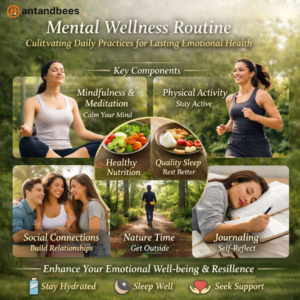
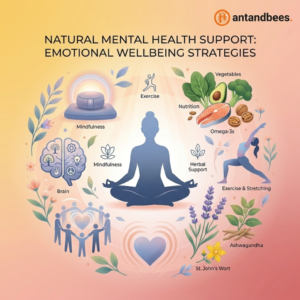
- Engage in Regular Physical Activity: Exercise can naturally reduce anxiety levels. Consider incorporating yoga for stress relief to not only improve flexibility but also induce relaxation.
- Prioritize Sleep: Insufficient sleep can exacerbate anxiety. Make sleep a priority by establishing a consistent bedtime routine.
- Eat a Balanced Diet: A nutritious diet supports mental health. Focus on consuming whole foods that contribute to overall well-being.
Frequently Asked Questions about Meditation for Anxiety
What are immediate benefits of meditation for anxiety?
Immediate benefits of meditation for anxiety can include a lower heart rate, improved focus, and a sense of calm. Many practitioners report feeling less overwhelmed after short meditation sessions.
How long should I meditate each day for anxiety relief?
Begin with 5-10 minutes daily, gradually increasing the duration as you become more accustomed. Consistency is more important than the length of each session.
Can meditation completely eliminate anxiety?
While meditation is a powerful tool for managing anxiety, it may not eliminate it completely. However, it can significantly reduce anxiety levels and improve your coping mechanisms.
Should I combine meditation with other forms of therapy?
Combining meditation with other therapeutic practices, such as cognitive behavioral therapy (CBT) or medications, can enhance overall treatment effectiveness.

Be First to Comment