

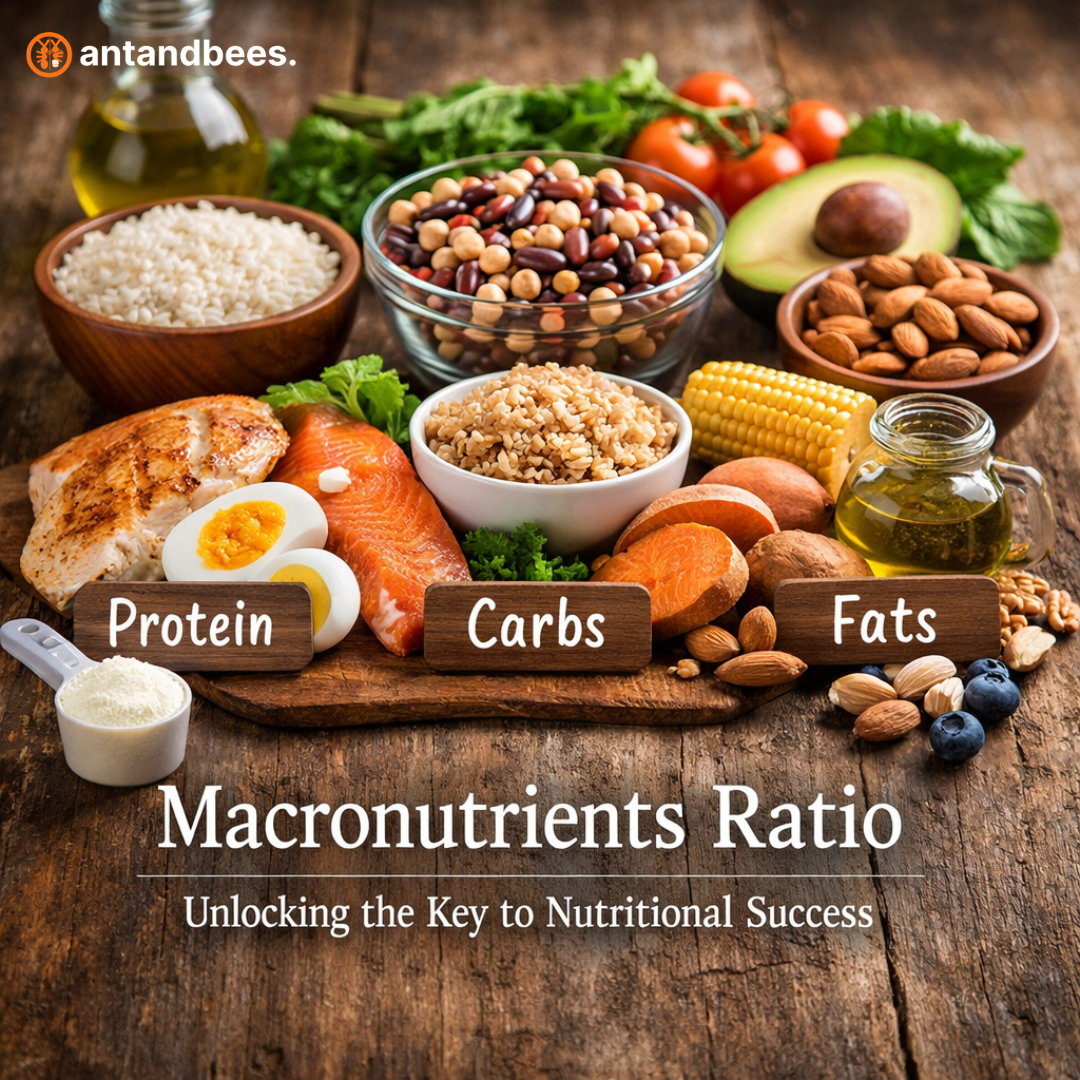
Understanding the macronutrients ratio is crucial for anyone looking to optimize their diet, whether for weight loss, muscle gain, or overall health improvement. Macronutrients include carbohydrates, proteins, and fats—each playing a significant role in how our bodies function. The right balance of these nutrients can enhance energy levels, improve metabolic health, and promote overall well-being.
What Are Macronutrients?
Macronutrients are the nutrients we consume in larger quantities, as opposed to micronutrients, which we need in smaller amounts. The three primary macronutrients include:
-
Carbohydrates: Often seen as the body’s primary energy source, carbohydrates are categorized into simple (sugars) and complex (starches and fiber).
-
Proteins: Essential for building and repairing tissues, proteins are made up of amino acids, which are the building blocks of cells.
-
Fats: While often misunderstood, fats are vital for hormone production, nutrient absorption, and providing a sustained energy source.
Why Is the Macronutrients Ratio Important?
Achieving the right macronutrients ratio can significantly influence body composition and health markers. An optimal ratio supports efficient metabolism, aids in muscle recovery, and helps maintain overall health. Here are some crucial benefits of maintaining an effective macronutrient distribution:
Enhanced Energy Levels
An appropriate balance can provide sustained energy throughout the day. For instance, a diet too high in carbohydrates may lead to energy spikes and crashes, while a balance that favors proteins and fats can provide more stable energy.
Improved Muscle Recovery and Growth
For those engaged in regular physical activity, the macronutrients ratio directly impacts muscle recovery. Protein is particularly crucial for muscle repair, while carbohydrates replenish glycogen stores depleted during exercise.
Balanced Hormonal Function
Fats play a vital role in hormone production, including hormones related to stress and metabolic regulation. Consequently, an appropriate fat intake is essential for maintaining hormonal health.
How to Determine Your Ideal Macronutrients Ratio
Determining your ideal macronutrients ratio involves several factors, including age, sex, activity level, and specific health goals. Here are some general guidelines:
-
For Weight Loss: A common starting point is 40% carbohydrates, 30% protein, and 30% fat. This can create a caloric deficit while providing enough protein to preserve lean muscle mass.
-
For Muscle Gain: Consider a ratio of 50% carbohydrates, 25% protein, and 25% fat. This supports energy needs for intense workouts while promoting recovery.
-
For Maintenance: A balanced approach, such as 30% carbohydrates, 40% protein, and 30% fat, can maintain weight while optimizing health.
Strategies to Hit Your Macronutrients Ratio
Once you know your desired macronutrient intake, tracking your food can become your best ally. Here are some proven strategies:
-
Meal Planning: Create weekly meal plans that reflect your target ratios. Incorporate a variety of foods to ensure adequacy and avoid boredom.
-
Food Tracking Apps: Use apps to log your food intake. Most apps allow you to set your macronutrient goals, making it easier to see daily progress.
-
Educate Yourself: Familiarize yourself with the macronutrient content of foods. For example, lean meats are high in protein, while avocados are rich in healthy fats.
Frequently Asked Questions
What is the Best Macronutrient Ratio for Weight Loss?
A common approach is a macronutrient ratio of 40% carbohydrates, 30% protein, and 30% fat, although individual results may vary based on personal metabolic responses and activity levels.
Can I Adjust My Macronutrient Ratio Based on My Activity Level?
Yes, those who are highly active or engage in regular resistance training may benefit from a higher carbohydrate intake to support energy needs.
How Do I Track My Macronutrients Effectively?
Utilizing food tracking apps and being mindful of portion sizes can help you stay within your desired ratio. Meal prepping can also simplify the process and ensure you meet your nutritional goals.
Are There Any Risks of Not Following an Optimal Macronutrients Ratio?
Failing to maintain an appropriate macronutrients ratio can lead to nutritional deficiencies, fluctuating energy levels, and an increased risk of certain health conditions.
Achieving the right macronutrients ratio is less about restriction and more about balance. By understanding the roles of carbohydrates, proteins, and fats, individuals can optimize their diets to meet personal health goals. For committed health enthusiasts, exploring tailored macronutrient strategies can not only enhance results but also promote a more enjoyable and satisfying relationship with food.






Be First to Comment