

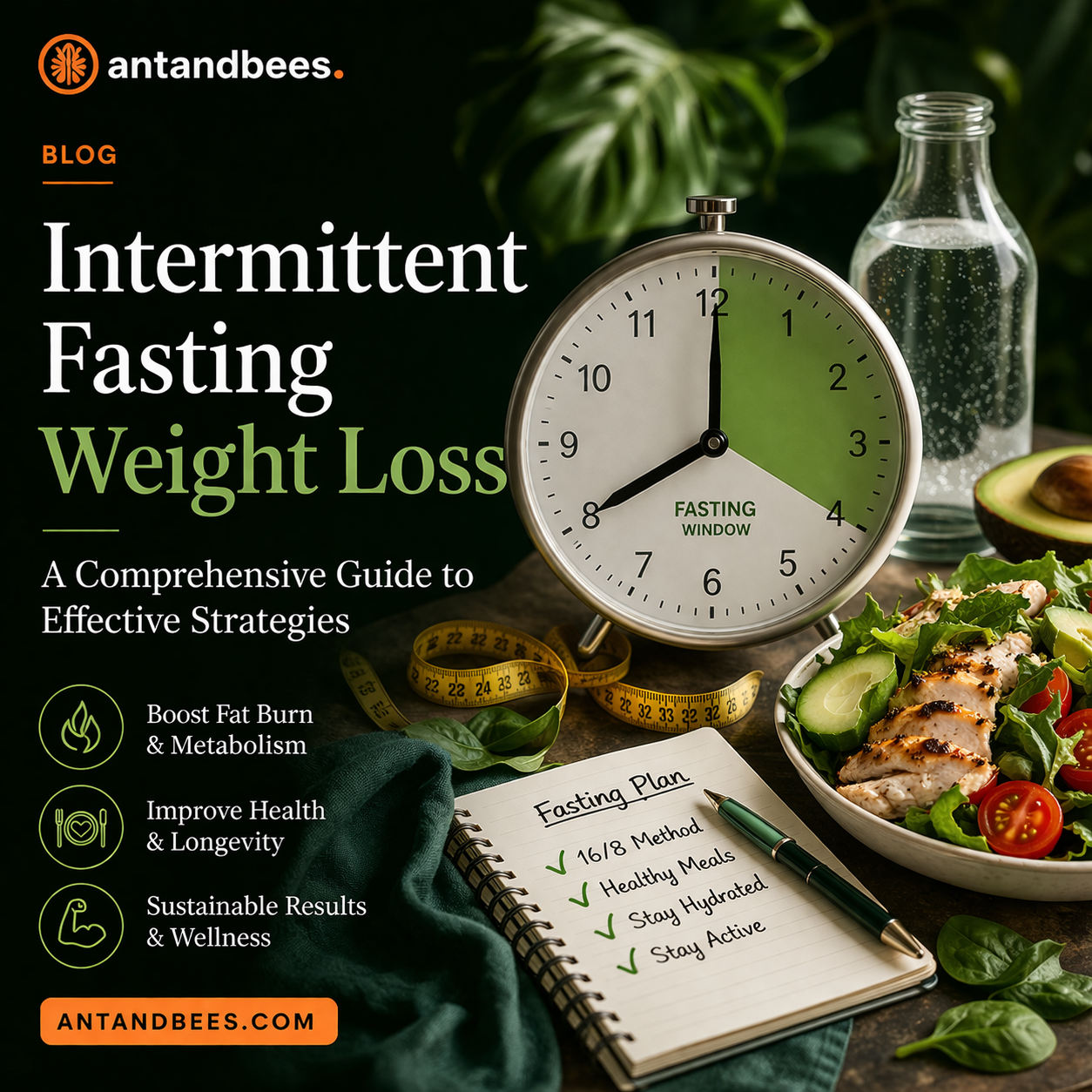
Intermittent fasting has become a popular approach for individuals looking to achieve weight loss through structured eating patterns. With its promise of losing weight while simplifying meal planning, it’s important to understand the methods, benefits, and best practices associated with this dietary strategy.
What is Intermittent Fasting?
Intermittent fasting (IF) is an eating pattern that cycles between periods of fasting and eating. Unlike traditional diets that focus on what to eat, intermittent fasting emphasizes when to eat. Common methods include:
- 16/8 Method: Fast for 16 hours a day and eat during the remaining 8 hours.
- 5:2 Diet: Consume only 500-600 calories on two non-consecutive days, eating normally on the other five days.
- Eat-Stop-Eat: Involves fasting for a full 24 hours once or twice a week.
These methods can promote weight loss by reducing caloric intake and improving metabolic health.
How Does Intermittent Fasting Promote Weight Loss?
The weight loss benefits of intermittent fasting can be attributed to several mechanisms:
1. Decreased Caloric Intake
By restricting the eating window, individuals may naturally consume fewer calories, which leads to weight loss.
2. Enhanced Fat Burning
During fasting periods, the body runs out of its glycogen stores and begins to burn fat for energy. This process can effectively reduce body fat.
3. Improved Insulin Sensitivity
Intermittent fasting may enhance insulin sensitivity, helping the body manage blood sugar levels more effectively. This can lead to better fat loss and reduced risk of type 2 diabetes.
4. Increased Growth Hormone Levels
Fasting can significantly increase the production of growth hormone, which plays a key role in fat loss and muscle gain.
Key Benefits of Intermittent Fasting
Aside from weight loss, intermittent fasting offers several other health benefits:
- Simplified Meal Planning: By limiting the number of meals consumed, planning and preparation become less complex.
- Improved Cellular Repair: The fasting process triggers autophagy, a cellular repair process that can enhance longevity and health.
- Reduced Inflammation: Some studies suggest that intermittent fasting can reduce markers of inflammation, potentially lowering the risk of chronic diseases.
Tips for Successful Intermittent Fasting Weight Loss
Embarking on an intermittent fasting journey requires commitment and strategy. Here are effective tips to enhance your success:
1. Start Slowly
If new to fasting, begin gradually by easing into the preferred method (e.g., start with a 12-hour fast and gradually increase).
2. Stay Hydrated
Drink plenty of water during fasting periods to stay hydrated and curb hunger.
3. Focus on Nutrient-Dense Foods
During eating windows, prioritize whole foods rich in nutrients, such as fruits, vegetables, lean proteins, and healthy fats. This aligns with natural weight loss tips and helps maintain energy levels.
4. Avoid Processed Foods
Limiting processed foods can help manage hunger and cravings, ensuring better adherence to the fasting protocol.
5. Monitor Progress
Keep a food journal or use a tracking app to note your fasting schedule and weight loss progress.
Incorporating these strategies can enhance the effectiveness of intermittent fasting for weight loss. For additional support, consider exploring the best diet for weight loss to complement your fasting routine.
Common Questions About Intermittent Fasting Weight Loss
What can I eat while intermittent fasting?
During eating windows, focus on whole, unprocessed foods. Opt for meals high in fiber, protein, and healthy fats. Explore our guide on weight loss foods to help you make the best choices.
Is intermittent fasting safe for everyone?
Generally, intermittent fasting is safe for most healthy individuals. However, those with medical conditions or specific dietary needs should consult a healthcare professional before starting.
Will I feel hungry while intermittent fasting?
Hunger is common when first starting. However, many individuals report that it becomes more manageable over time as the body adjusts.
How long will it take to see results from intermittent fasting?
Results vary based on individual metabolism and adherence. Some may notice changes within a few weeks, while others may take longer to reap the full benefits.




Be First to Comment