

Understanding Workout Frequency
The question of how often to workout is common among those seeking to enhance their fitness levels, build muscle, or improve overall health. Determining the right frequency for workouts depends on various factors, including individual goals, fitness levels, and lifestyle constraints. In this guide, we will explore recommended workout frequencies, their benefits, and how to design a routine that suits your specific needs.
Recommended Workout Frequencies
For General Health
For most individuals aiming for general health and well-being, the Centers for Disease Control and Prevention (CDC) recommends at least 150 minutes of moderate-intensity aerobic activity per week. This can be broken down into:
- 30 minutes per day, five days a week of moderate exercise
- Or 75 minutes per week of vigorous-intensity exercise, spread over three days
Incorporating strength training exercises at least two days a week is also advisable to support muscle health and bone density. This balanced approach not only promotes fitness but also reduces the risk of chronic diseases.
For Weight Loss
Individuals focused on weight loss may need to increase their workout frequency. Engaging in 300 minutes of moderate-intensity aerobic activity—or 150 minutes of vigorous-intensity activity—per week can significantly aid in creating a caloric deficit. A combination of:
- Cardio workouts (such as running, cycling, or aerobic classes)
- Strength training sessions (to build lean muscle and boost metabolism)
is highly effective. Ideally, aim for five to six workout sessions per week to achieve and maintain weight loss.
For Muscle Gain
For those who prioritize muscle gain, the workout frequency may vary based on experience level:
- Beginners: Three days per week focusing on full-body workouts
- Intermediate: Four to five days per week, incorporating split routines targeting different muscle groups
- Advanced: Five to six days per week, allowing for targeted muscle group training, ensuring each group is trained 1-2 times weekly
For Endurance Training
For athletes or fitness enthusiasts training for endurance events, increased frequencies are typically required. A structured approach may involve:
- 5 to 6 days of training per week, incorporating long runs, tempo workouts, and intervals
- Balancing workouts with rest days to allow for recovery
Designing Your Workout Routine
To effectively determine how often to workout, consider the following factors:
1. Fitness Goals
Clearly define what you want to achieve. Whether it’s improving cardiovascular health, losing weight, or building muscle, establishing your goals will guide your workout frequency.
2. Experience Level
Novice exercisers may start with shorter, less frequent workouts, gradually increasing in intensity and frequency as their fitness improves. More experienced individuals can sustain a higher frequency.
3. Lifestyle
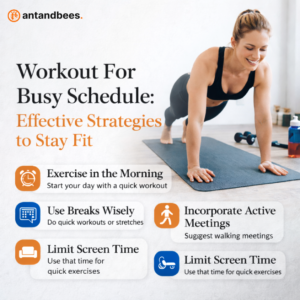
Incorporate your daily schedule into your workout plan. If you have a busy schedule, consider home workouts with little to no equipment, focusing on effective routines that fit within your available time.
4. Recovery Needs
Listen to your body. Rest is crucial for preventing injuries and allowing muscles to recover. Planning rest days is as important as your workout days.
FAQs: How Often to Workout
How many days a week should I work out for optimal health?
For optimal health, aim for at least 150 minutes of moderate aerobic activity combined with strength training on two or more days per week.
Can I lose weight with fewer workouts?
Yes, but balance is key. A combination of increased workout frequency and a nutritious diet will yield the best results. As emphasized, engaging in about 300 minutes of moderate-intensity exercise can bolster weight loss efforts.
Is it better to work out every day?
While daily workouts can be beneficial for some, rest days are necessary to allow muscles and tissues to recover. Strive for a balanced routine tailored to your fitness level.
How can I stay motivated to stick to my workout routine?
- Set realistic fitness goals.
- Track your progress.
- Change up your routine to keep it exciting.
- Work out with friends or join classes for social encouragement.
What types of workouts should I include in my routine?
To optimize fitness, consider a mix of aerobic (like running or cycling), strength training (weights or resistance exercises), flexibility (yoga or stretching), and balance exercises.
By thoughtfully considering how often to workout and carefully designing a plan that incorporates various forms of exercise while allowing for recovery, you’ll set yourself up for success in achieving your fitness goals. For tailored workout plans that fit your preferences, explore options for a no-equipment workout or suitable home workout routines that can adapt to your lifestyle.





Be First to Comment