


Understanding the Link Between Exercise and Mental Health
In recent years, research has consistently highlighted the profound connection between exercise and mental health. Engaging in regular physical activity not only bolsters our physical bodies but also significantly influences our emotional wellbeing. This intertwining of physical fitness and mental health can often be overlooked, yet understanding this relationship is essential for a balanced and fulfilling life.
The Science Behind Exercise and Mental Health
Numerous studies have demonstrated that exercise can contribute positively to mental health through various mechanisms:
-
Endorphin Release: Physical activity stimulates the production of endorphins, neurotransmitters that help alleviate pain and increase feelings of pleasure. This phenomenon, often referred to as the “runner’s high,” is a primary reason many individuals feel a boost in mood following exercise.
-
Reduced Anxiety and Stress: Exercise acts as a natural stress reliever. It lowers levels of the body’s stress hormones, such as adrenaline and cortisol, and promotes relaxation. Regular physical activity can help reduce anxiety and improve resilience to stress.
-
Enhanced Self-Esteem: Engaging in exercise can lead to improved body image and increased confidence. As individuals achieve fitness goals, their self-esteem often improves, contributing positively to their overall mental health.
-
Cognitive Improvements: Regular exercise has been shown to enhance cognitive functions, such as memory and attention. This is particularly beneficial as cognitive decline is associated with mental health disorders.
Types of Exercise Beneficial for Mental Health
When discussing exercise and mental health, it’s crucial to recognize that not all forms of exercise will necessarily yield the same benefits. Here are some types of physical activity known to be particularly effective:
-
Aerobic Exercise: Activities such as running, cycling, or swimming can significantly boost mood due to the increased heart rate and oxygen circulation.
-
Strength Training: Engaging in weight lifting or bodyweight exercises not only builds muscle but also helps reduce symptoms of anxiety and depression.
-
Yoga and Mindful Practices: Yoga combines physical movement with mindfulness, promoting relaxation and a sense of peace. This practice has been linked with improved mental health outcomes.
-
Group Activities: Participating in team sports or group classes fosters social interaction, which is vital for emotional wellbeing.
Building an Exercise Routine for Mental Health
Creating a sustainable exercise routine that supports mental health requires intention and commitment. Here are steps to consider:
-
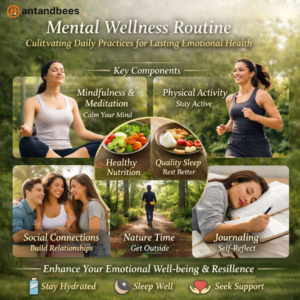
Set Realistic Goals: Start small. Aim for 150 minutes of moderate aerobic activity per week, gradually increasing as comfort grows.
-
Find Activities You Enjoy: Choose exercises that are enjoyable to enhance consistency and motivate continued participation.
-
Schedule Your Workouts: Treat exercise as an important appointment. Consistency fosters habit formation, leading to more substantial mental health benefits.
-
Combine Routine with Variety: Mix different types of exercises to avoid monotony. This variety keeps the routine fresh and engaging.
-
Listen to Your Body: Pay attention to how your body responds to exercise. Adjust the intensity or type of exercise based on your physical and mental needs.
Nutrition: The Other Half of the Equation
While exercise plays a pivotal role in enhancing mental health, nutrition cannot be overlooked. A balanced diet significantly complements physical activity. Nourishing your body with essential nutrients supports both physical health and mental clarity. For more insights into how proper nutrition can enhance your mental health, check out our article on how to nourish your body.
Frequently Asked Questions
How does exercise improve mental health?
Exercise leads to the release of endorphins, reduces stress hormones, and enhances self-esteem, contributing to improved mental wellbeing.
What types of exercise are best for anxiety and depression?
Aerobic activities, strength training, yoga, and group sports are particularly effective in alleviating symptoms of anxiety and depression.
How much exercise is needed for mental health benefits?
A minimum of 150 minutes of moderate aerobic activity weekly is recommended for optimal benefits.



Be First to Comment