

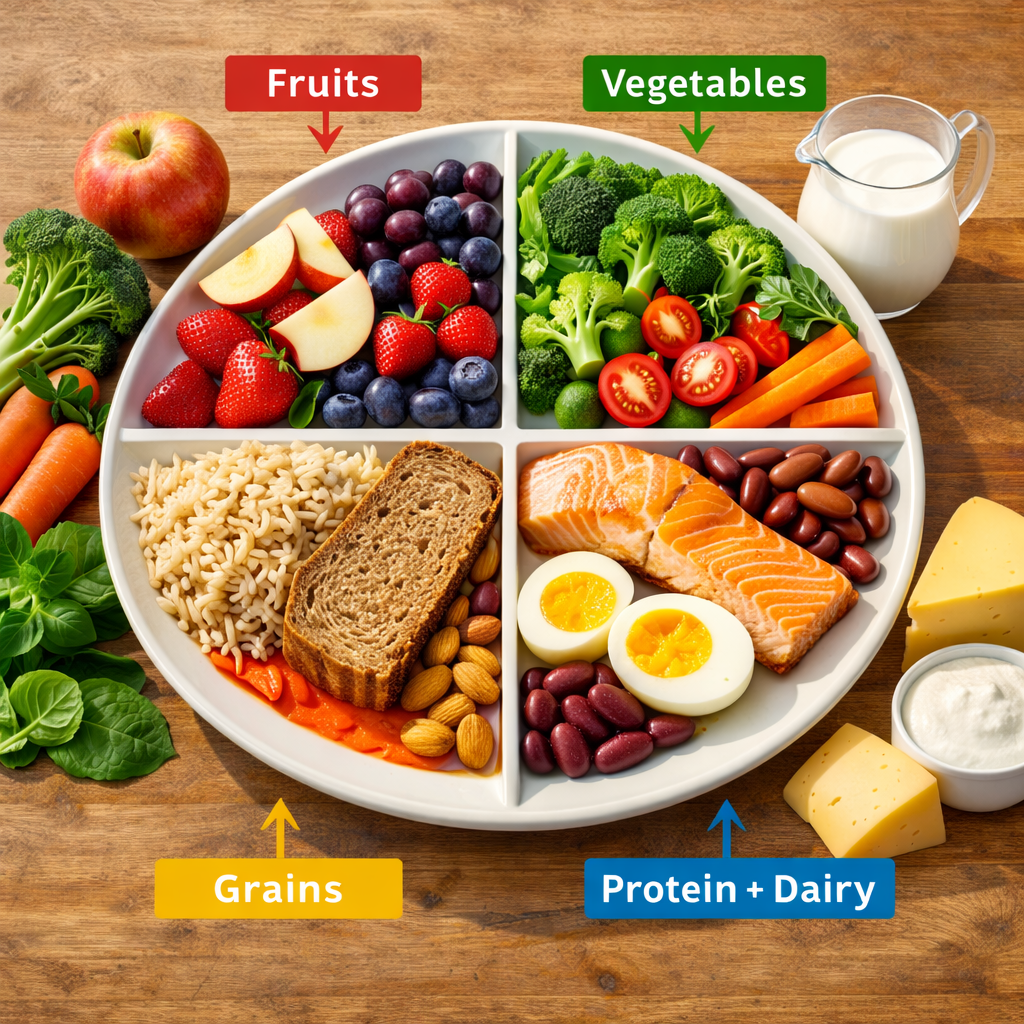
What Is a Balanced Diet?
A balanced diet is a nutritional guideline that includes a variety of different foods in the right proportions to provide the necessary nutrients for overall health. This type of diet typically includes adequate amounts of carbohydrates, proteins, fats, vitamins, and minerals. The goal of a balanced diet is to supply the body with essential nutrients, support bodily functions, and help maintain a healthy weight.
Components of a Balanced Diet
To achieve a balanced diet, it is crucial to understand the different food groups and their contributions to overall health:
1. Carbohydrates
Carbohydrates are the body’s primary source of energy. They are necessary for proper digestion and provide the fuel required for physical activity and daily functions. Sources of healthy carbohydrates include:
- Whole grains (brown rice, quinoa, whole wheat bread)
- Fruits
- Vegetables
- Legumes (beans and lentils)
2. Proteins
Proteins play a pivotal role in the body’s repair and growth processes. They are vital for building and repairing tissues and muscles. Good sources of protein include:
- Lean meats (chicken, turkey, fish)
- Eggs
- Dairy products (yogurt, cheese)
- Plant-based protein (tofu, beans, nuts)
3. Fats
Fats are essential for hormone production, nutrient absorption, and brain health. Choosing the right type of fats is crucial for maintaining health. Healthy fats can be found in:
- Avocados
- Nuts and seeds
- Olive oil
- Fatty fish (salmon, mackerel)
4. Vitamins and Minerals
Vitamins and minerals support many bodily functions, including immune health, bone strength, and energy metabolism. Incorporating a variety of fruits and vegetables into your diet is the best way to ensure adequate intake of essential vitamins and minerals.
Benefits of a Balanced Diet
Engaging in a balanced diet offers numerous health benefits, including:
- Weight Management: A balanced diet helps regulate body weight by providing the right proportions of nutrients.
- Enhanced Energy Levels: The proper mix of carbohydrates, proteins, and fats delivers sustained energy throughout the day.
- Disease Prevention: A diet rich in fruits, vegetables, and whole grains can lower the risk of chronic diseases such as heart disease, diabetes, and certain cancers.
- Improved Mood and Mental Health: Nutrient-rich foods influence brain chemistry, which can lead to better mood regulation and mental health.
How to Implement a Balanced Diet
Creating a balanced diet requires planning and mindfulness about food choices. Follow these steps to design a nutritious eating plan:
-
Assess Your Needs: Each individual’s dietary requirements may differ based on age, sex, activity level, and health goals.
-
Incorporate Variety: Aim for a colorful plate. Different colors in fruits and vegetables usually represent different nutrients.
-
Portion Control: Be mindful of portion sizes to avoid overconsumption. Tools like measuring cups or visual aids can help.
-
Limit Processed Foods: Minimize intake of processed and high-sugar foods for better health benefits.
-
Stay Hydrated: Drink sufficient water and include hydrating foods like fruits and vegetables.
Frequently Asked Questions
What is the balanced diet definition in simple terms?
A balanced diet provides the body with the appropriate amount of nutrients it needs from all food categories, including carbohydrates, proteins, fats, vitamins, and minerals.
Why is a balanced diet important?
A balanced diet is crucial for maintaining health, preventing chronic diseases, promoting energy levels, and supporting overall wellbeing.
How can I easily create balanced meals?
To create balanced meals, include a source of protein, a healthy fat, and a combination of carbohydrates from fruits, vegetables, or whole grains in each meal.
Can a balanced diet assist in weight loss?
Yes, a balanced diet can aid in weight loss by ensuring you consume necessary nutrients while controlling calorie intake, leading to effective and sustainable weight management.
Final Thoughts
Understanding the balanced diet definition and its components is the foundation of a healthy lifestyle. While it may seem complex, the principles behind a balanced diet can be easily integrated into daily life with conscious choices and planning. For more information on how specific food groups contribute to health or for practical meal ideas, explore our additional resources on nutrition and wellness.





Be First to Comment