

What Are Anxiety Symptoms?
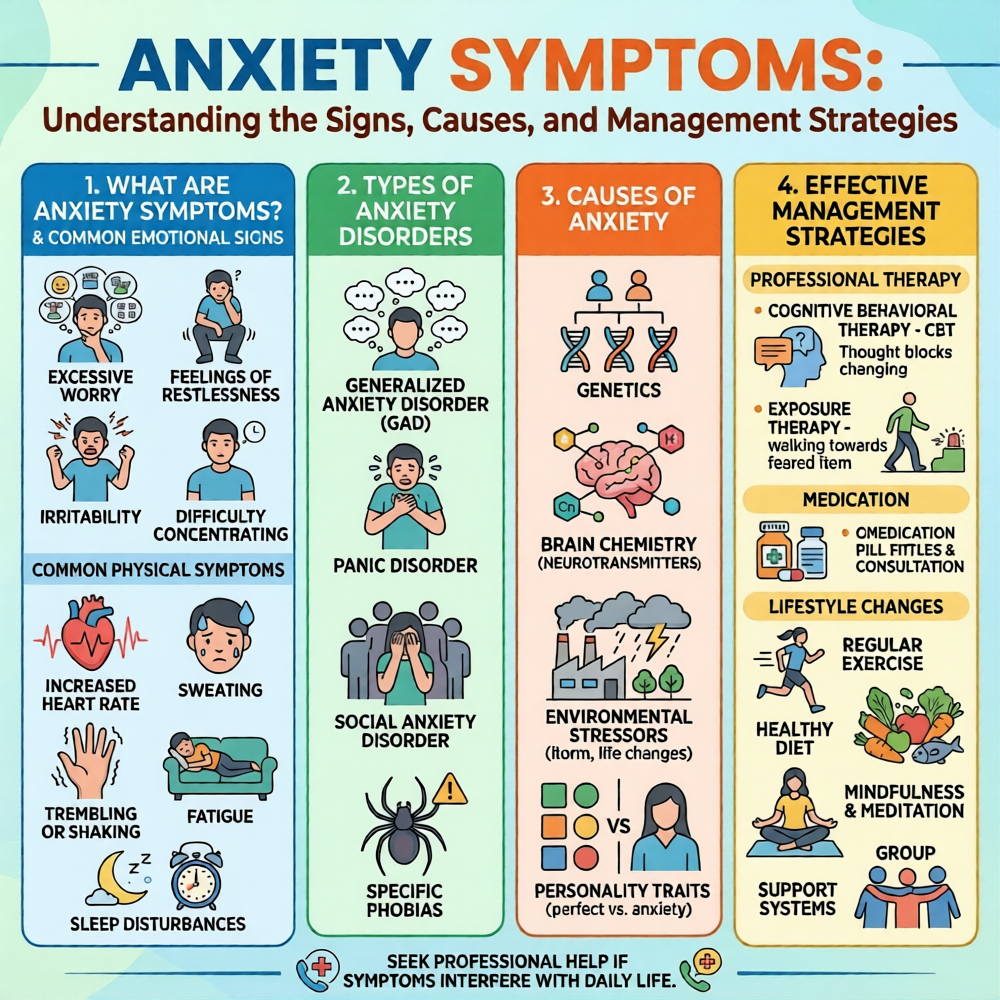
Anxiety symptoms encompass a range of emotional and physical responses that indicate a heightened state of worry or fear. This psychological condition can affect anyone, manifesting in various ways, depending on the individual and the context. Understanding these symptoms is crucial for recognizing anxiety disorders and seeking appropriate help.
Common Emotional Symptoms
Individuals experiencing anxiety may encounter a variety of emotional symptoms, including:
- Excessive Worry: Consistent, overwhelming concern about everyday issues.
- Feelings of Restlessness: A sense of being on edge and unable to relax.
- Irritability: Increased sensitivity or frustration over minor issues.
- Difficulty Concentrating: Trouble focusing or a feeling that the mind is going blank.
Physical Symptoms of Anxiety
Anxiety can also present with physical symptoms that may mimic other health issues, making it essential to recognize these signs. Common physical symptoms include:
- Increased Heart Rate: A racing heartbeat or palpitations that can be alarming.
- Sweating: Excessive perspiration, even in the absence of physical exertion.
- Trembling or Shaking: Involuntary shaking that reflects heightened anxiety.
- Fatigue: Persistent tiredness even after adequate rest.
- Sleep Disturbances: Difficulty falling or staying asleep due to racing thoughts.
Types of Anxiety Disorders
Various anxiety disorders encompass different anxiety symptoms, each requiring different approaches to treatment. The most prevalent types include:
Generalized Anxiety Disorder (GAD)
GAD is characterized by excessive and uncontrollable worry about various aspects of life, often accompanied by muscle tension and fatigue.
Panic Disorder
Individuals with panic disorder experience recurring panic attacks, a sudden surge of intense fear that triggers physical symptoms like heart palpitations, chest pain, and shortness of breath.
Social Anxiety Disorder
This disorder involves an intense fear of social situations, leading to avoidance of interactions that can significantly impact daily life.
Specific Phobias
Specific phobias involve irrational fears of particular objects or situations, leading individuals to go to great lengths to avoid them.
Causes of Anxiety Symptoms
Anxiety symptoms can arise from a combination of factors, and understanding these can help identify triggers and effective coping strategies:
- Genetics: Family history of anxiety disorders can increase susceptibility.
- Brain Chemistry: Imbalances in neurotransmitters can contribute to anxiety.
- Environmental Stressors: Traumatic events, major life changes, or chronic stress can trigger anxiety symptoms.
- Personality Traits: Certain personality types, such as those who are perfectionistic, may be more prone to anxiety disorders.
Effective Management Strategies
Recognizing anxiety symptoms is the first step toward finding effective interventions. Various strategies can help manage anxiety effectively:
Professional Therapy Options
- Cognitive Behavioral Therapy (CBT): This evidence-based therapy helps individuals identify and change negative thought patterns associated with anxiety.
- Exposure Therapy: Gradual exposure to feared situations can reduce avoidance behaviors over time.
Medication
Antidepressants and anti-anxiety medications can help balance neurotransmitters and alleviate symptoms. Consultation with a healthcare professional is crucial to determine the appropriate medication based on individual needs.
Lifestyle Changes
Incorporating simple lifestyle changes can make a significant difference in managing anxiety symptoms:
- Regular Exercise: Physical activity releases endorphins, improving mood and reducing anxiety.
- Healthy Diet: A balanced diet rich in omega-3 fatty acids, whole grains, and vitamins can support mental health.
- Mindfulness and Meditation: Practicing mindfulness techniques and meditation can promote relaxation and emotional regulation.
Support Systems
Connecting with friends, family, or support groups can provide emotional support and a sense of community. Sharing experiences with others who understand can make coping with anxiety more manageable.
Frequently Asked Questions (FAQs) About Anxiety Symptoms
What are the early signs of anxiety disorders?
Early signs may include persistent worry, irritability, difficulty concentrating, and physical symptoms like restlessness or fatigue.
How do anxiety symptoms differ from general stress?
While stress is a normal response to certain situations, anxiety symptoms are more pervasive, lasting longer, and may not be triggered by specific events.
When should I seek help for anxiety symptoms?
If anxiety symptoms significantly interfere with daily life or are accompanied by severe physical symptoms, it is advisable to seek help from a healthcare professional.

Be First to Comment