

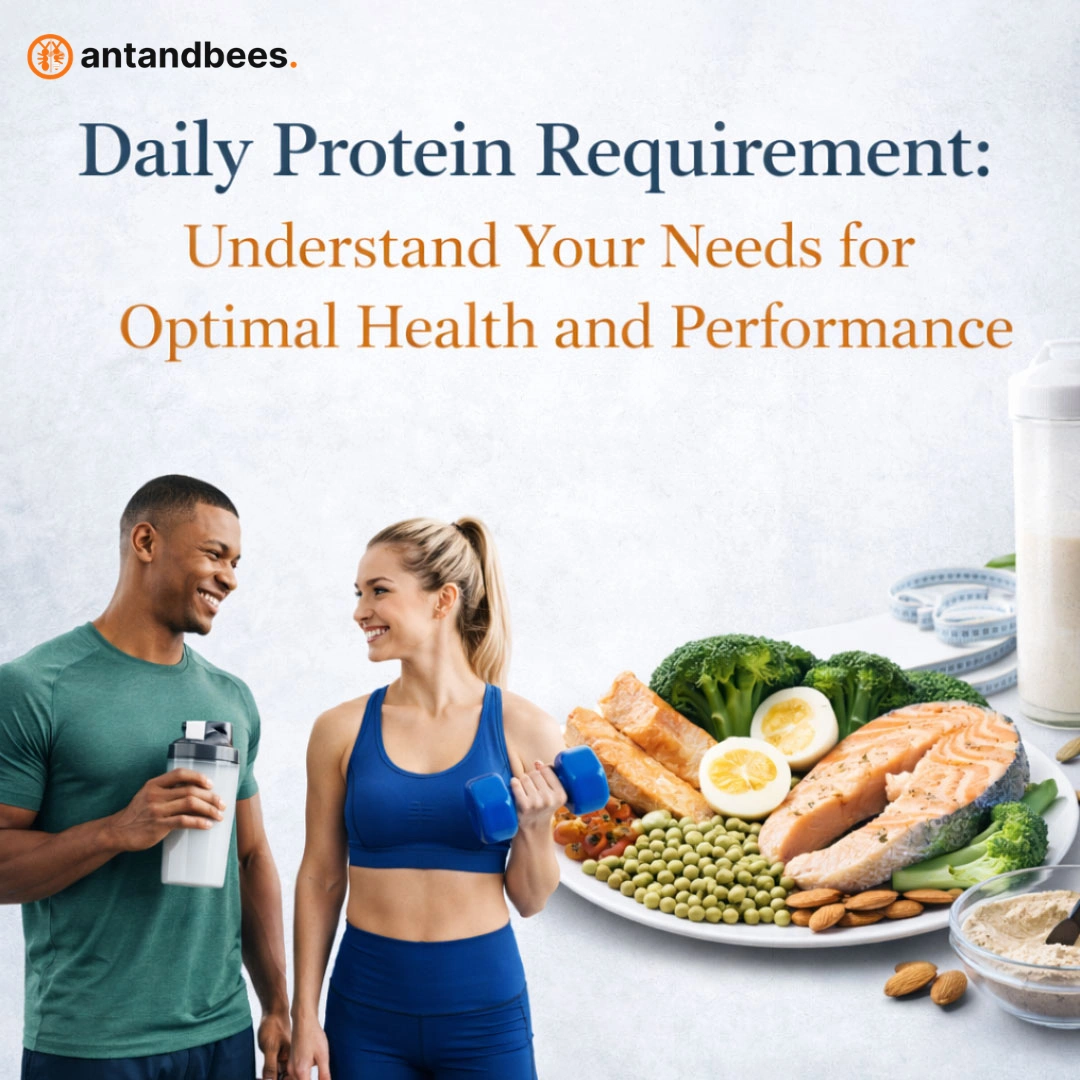
What is the Daily Protein Requirement?
The daily protein requirement refers to the amount of protein needed on a daily basis to maintain optimal health, support bodily functions, and promote muscle repair and growth. Protein is a vital macronutrient, serving as a building block for muscles, skin, enzymes, and hormones. Understanding your specific protein needs is crucial for anyone from athletes to those simply looking to maintain a balanced diet.
Factors Influencing Protein Requirements
1. Age and Gender
Protein needs fluctuate based on age and gender. Generally, adult men require about 56 grams of protein per day, while adult women need around 46 grams. However, these figures can vary especially during different life stages such as pregnancy or aging, where increased protein intake may be necessary.
2. Activity Level
Physical activity significantly influences daily protein requirements. Active individuals, especially those involved in strength training or endurance sports, may require up to 1.2 to 2.0 grams of protein per kilogram of body weight.
3. Body Composition Goals
For those looking to lose weight or gain muscle mass, protein needs may increase. A higher protein intake can help preserve muscle during weight loss and promote muscle synthesis for those in a bulking regimen.
4. Overall Health
Chronic illnesses, injuries, or post-surgical recovery can lead to an increased protein requirement. During these times, the body repairs tissues and fights off diseases, requiring more fuel.
How to Calculate Your Daily Protein Requirement
Calculating your daily protein requirement can be a straightforward process. Here’s a simple method you can follow:
- Determine your weight in kilograms: To convert pounds to kilograms, divide your weight by 2.2.
- Choose your activity multiplier: Select a multiplier based on your activity level:
- Sedentary: 0.8 grams/kg
- Lightly active: 1.0 grams/kg
- Moderately active: 1.2 grams/kg
- Very active: 1.4 grams/kg
- Multiply your weight by the desired grams/kg: This will yield your total protein requirement for the day.
For instance, a 70 kg moderately active woman would need approximately 84 grams of protein daily (70 x 1.2 = 84).
Sources of Protein
High Protein Foods
Integrating high protein foods into your diet is a great way to meet your daily protein requirements effectively. Consider adding:
- Animal-Based Sources: Chicken, beef, fish, eggs, and dairy products like cheese and yogurt are rich in complete protein.
- Plant-Based Sources: Quinoa, lentils, chickpeas, beans, nuts, and seeds offer excellent protein alternatives, especially for vegetarians or vegans.
For a detailed list of nutritious options, explore our curated collection of high protein foods.
Protein Powders and Supplements
For those who find it challenging to reach their protein goals through food alone, protein powders can serve as a convenient supplement. Whether whey, casein, or plant-based, these can be an effective addition to your regimen. Find guidance on selecting the right option with our article about the best protein powder.
Frequently Asked Questions
What happens if I don’t meet my daily protein requirement?
Failing to meet your protein needs can lead to muscle loss, immune dysfunction, and slower recovery from injuries amongst other health issues.
Can I get enough protein from a plant-based diet?
Yes, it is entirely possible to meet your protein requirements through a well-planned plant-based diet. Focus on a variety of legumes, nuts, seeds, and whole grains to ensure you consume adequate protein.
Should protein be consumed throughout the day?
Distributing protein intake evenly across meals can enhance muscle synthesis and maintain satiety, supporting weight management goals.
Are there risks to consuming too much protein?
Excessive protein intake can lead to increased stress on kidneys, dehydration, and potential nutrient deficiencies if it replaces other essential food groups. It’s important to consult a healthcare provider or a nutritionist if considering a high-protein diet.



Be First to Comment