

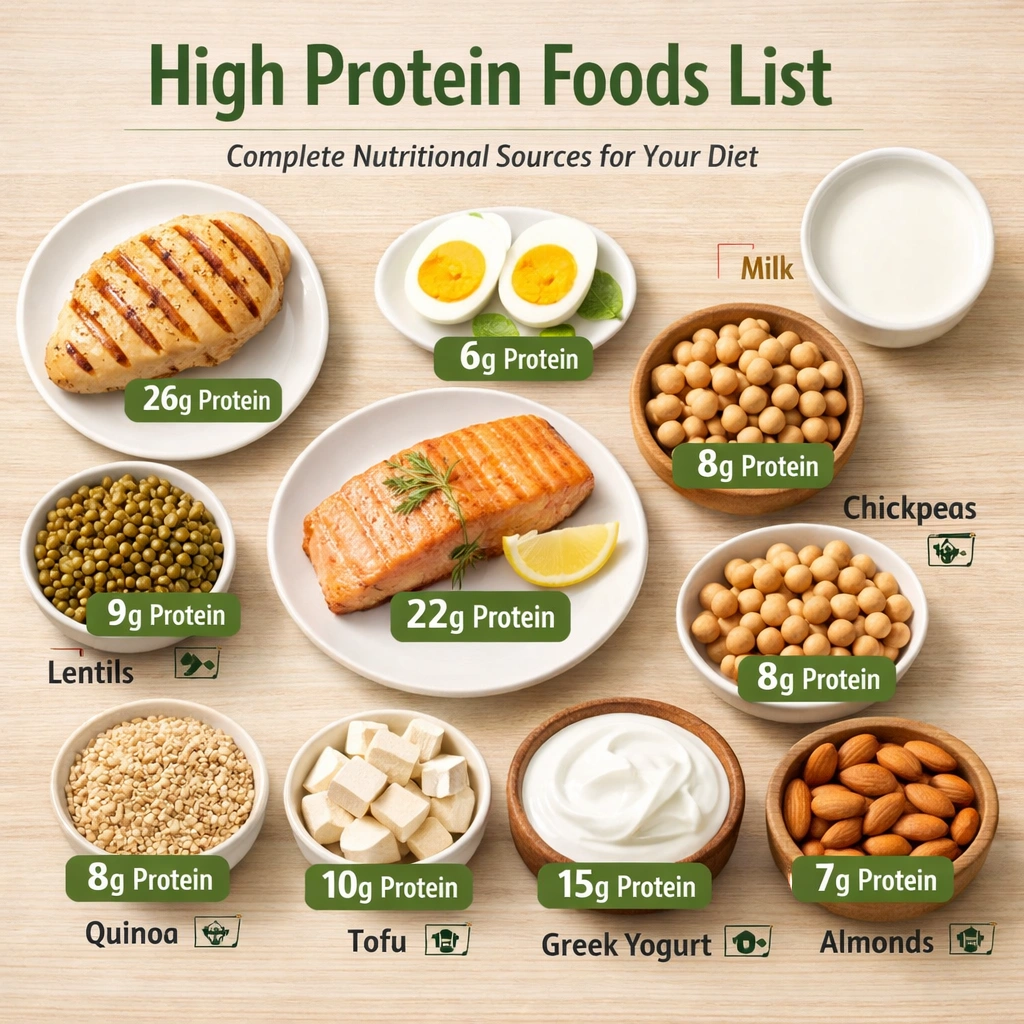
Understanding High Protein Foods
When it comes to optimizing your diet, a high protein foods list can be incredibly beneficial. Protein is a crucial macronutrient that plays a major role in building and repairing tissues, producing enzymes and hormones, and supporting overall health. Whether you are an athlete, bodybuilder, or simply looking to maintain a balanced lifestyle, incorporating a variety of protein-rich foods can help you meet your daily requirements.
Types of High Protein Foods
Animal-Based Protein Sources
Animal-based proteins are often considered complete proteins, providing all the essential amino acids that your body needs. Here are some top contenders:
- Chicken Breast – A lean source that provides about 31 grams of protein per 100 grams.
- Fish – Varieties such as tuna and salmon not only provide high protein content (up to 25 grams per 100 grams) but also deliver beneficial omega-3 fatty acids.
- Eggs – A versatile option offering approximately 6 grams of protein per large egg, along with important nutrients like vitamin D and choline.
- Greek Yogurt – This creamy dairy product is another excellent source, containing around 10 grams of protein per 100 grams.
- Lean Beef – Rich in nutrients like iron and B12, lean cuts can provide up to 36 grams of protein per 100 grams.
Plant-Based Protein Sources
For those following vegetarian or vegan diets, plant-based proteins can also fill your high protein foods list effectively. Consider these options:
- Lentils – Packed with fiber and protein, one cup of cooked lentils delivers about 18 grams of protein.
- Chickpeas – Offering around 15 grams of protein per cooked cup, chickpeas are not only nutritious but also versatile for various dishes.
- Quinoa – A complete protein, quinoa provides about 8 grams of protein per cooked cup, along with essential amino acids.
- Tofu – A staple in many vegetarian diets, firm tofu offers approximately 20 grams of protein per cup, depending on the brand.
- Edamame – These young soybeans provide around 17 grams of protein per cooked cup, making them a popular snack among health enthusiasts.
Benefits of a High Protein Diet
Incorporating protein-rich foods into your meals comes with numerous advantages:
- Satiety: High protein foods help you feel full longer, reducing overall calorie intake and assisting in weight management.
- Muscle Repair and Growth: Those who exercise regularly benefit from protein’s role in recovery and the building of muscle mass.
- Bone Health: Protein contributes to maintaining bone density, which can decrease the risk of osteoporosis, particularly in older adults.
- Metabolic Boost: A diet higher in protein might lead to a higher thermic effect of food, resulting in increased calorie burn throughout the day.
How to Incorporate High Protein Foods Into Your Diet
- Balanced Meals: Aim to include a protein source in each meal. For instance, start your day with Greek yogurt topped with fruits or oatmeal with nuts. Opt for lean meats or legumes in your lunch and dinner meals.
- Snacks: Keep high protein snacks on hand, such as hard-boiled eggs, mixed nuts, or protein shakes to curb hunger between meals.
- Meal Prep: Plan your week by preparing protein-rich meals in advance. This not only saves time but also ensures you meet your protein goals.
Frequently Asked Questions
What is the best source of protein?
The best source of protein often depends on individual dietary preferences. Animal-based proteins like chicken and fish offer complete proteins, while plant-based sources such as lentils and quinoa provide substantial amounts as well.
How much protein do I need daily?
The Recommended Dietary Allowance (RDA) for protein varies, but general advice is about 0.8 grams of protein per kilogram of body weight. This can increase based on factors such as activity level and age.
Are high protein diets safe?
Generally speaking, high protein diets are safe for most individuals. However, consulting with a healthcare provider or nutritionist is advisable, particularly for those with preexisting health conditions.



Be First to Comment